If you’ve ever walked past a metal carving workshop, you know those hand-finished, weather-resistant metal plates aren’t just for wall art or industrial signage. As someone who’s been supplying custom metal carved boards for residential, commercial, and industrial projects for the past 12 years, I get asked one question more than any other: “Can I use your metal carved board as a tabletop?” Metal Carved Board

The short answer? Yes—often with better results than you’d expect from wood, laminate, or even stone tabletops. But the real answer is nuanced, because a metal carved board works as a tabletop only when you account for its unique properties, how it’s made, and what kind of space it’s going in. Today, I’m breaking down the science behind using a metal carved board as a tabletop, based on years of working with architects, furniture makers, and homeowners who’ve turned our metal boards into functional, showstopping surfaces.
First, let’s talk about why metal carved boards are actually great tabletops. When we carve metal—usually aluminum, steel, or copper, depending on the project—we’re not just etching a design into a flat piece. The process (we use CNC precision for consistent details and hand-finish for custom texture) creates a solid, dimensional surface that’s naturally durable. Unlike wood, which scratches easily, warps with humidity, or fades in sunlight, a properly finished metal carved board stands up to daily use. A stainless steel carved board, for example, has a Rockwell hardness rating of 150-200 HB, which is harder than most hardwoods (oak clocks in at around 100 HB). That means it resists scratches from plates, silverware, and even small dropped tools or decor.
Then there’s weather resistance. If you’re building an outdoor dining table, a metal carved board will outlast every other common tabletop material. Wood will rot, laminate will peel, and stone can crack in extreme temperature fluctuations, but metal expands and contracts at a consistent rate (we calculate expansion coefficients during manufacturing to prevent warping) so it doesn’t warp when moving from 10°F winter days to 90°F summer afternoons. A customer in Arizona used our ¼-inch thick aluminum carved board as a patio tabletop three years ago, and it still looks exactly like the day we delivered it—no fading, no rust, even after monsoon seasons and blistering sun.
But here’s the part most people don’t consider: the carved texture. When you etch a design into metal, you get a non-slip surface that’s perfect for tabletops. No more sliding coffee mugs or dinner plates across a smooth, slick surface. For a kitchen island in a busy family home, a textured metal carved board means fewer spills and broken dishes. For a commercial cafe table, the texture adds a subtle grip that’s ideal for busy rush hours. That said, texture can be a downside if you’re not careful—sharp, deep carvings can trap food crumbs or grease, so we always advise a sealed finish for indoor food-facing tabletops.
Now, let’s talk about the caveats, because a metal carved board isn’t a one-size-fits-all tabletop. The biggest consideration is thickness. A tabletop needs enough rigidity to support itself, plus whatever you put on it, without bending or sagging. We’ve worked with projects as thin as 3/16-inch for small side tables and as thick as 1-inch for commercial conference tables. If you’re using a thinner board (under ¼ inch) for a large tabletop (over 4 feet long), you’ll need to reinforce it with a solid wood or metal substructure underneath. That’s where many DIYers go wrong—they buy a thin metal carved board and try to mount it on flimsy legs, only to find it sags in the middle after a few months. We always recommend consulting a furniture maker or engineer if you’re unsure about thickness for your specific table size.
Another caveat: weight. Metal is heavy. A 4-foot by 4-foot ½-inch thick steel carved board weighs around 260 pounds, which is way heavier than a comparable wood tabletop. That means your table legs need to be rated for that weight. We’ve had customers use steel I-beams for legs for industrial spaces, wooden beams for rustic modern tables, and even cast aluminum legs for a sleek, minimalist look. If you’re working with a smaller table (like a 2-foot side table), you can get away with thinner metal, but for anything larger, reinforce the legs with crossbars to distribute the weight evenly.
Then there’s the finish. Metal is porous, so if you don’t seal it properly, it can rust (for steel or iron) or react with acidic foods (for copper). We offer three main finishes for tabletops: a powder coat that’s scratch-resistant and food-safe, a clear anodized finish for aluminum that’s lightweight and corrosion-resistant, and a patina finish for copper that develops a beautiful aged look over time. For indoor kitchen tables or cafe tabletops, we recommend powder coat—it’s easy to wipe clean, resists stains from tomato sauce or coffee, and doesn’t react with food. For outdoor tables, a clear marine-grade anodized finish or a powder coat with UV protection is non-negotiable to prevent fading or rust. We once had a customer skip the marine finish on a patio copper tabletop, and within a year, the patina had turned uneven and developed small spots of oxidation—something we always warn against.
Let’s talk real-world examples, because numbers and specs are great, but stories make it stick. Last year, a homeowner in Brooklyn reached out to us wanting a dining table for her loft. She loved the textured look of our custom metal carved boards, but was worried metal would feel too cold for a dining space. We worked with her to choose a ½-inch thick brass carved board with a subtle floral etching (her grandmother’s favorite pattern) and paired it with solid walnut legs. She added a table runner and placemats, and told us later that the table is the centerpiece of her loft—guests always ask where she got it, and her two young kids have spilled juice and cereal on it dozens of times, and the only marks are tiny scratches that add to the patina. “It’s not just a table,” she said. “It’s something that changes with our family, just like wood, but it doesn’t break.”
Another example: a coffee shop in Portland that wanted to stand out from the chain cafes down the street. They ordered 12 3-foot by 2-foot aluminum carved boards, each with a tiny abstract etch representing local mountains, to use as their tabletops. We used a powder coat finish in a matte black that hides fingerprints, and mounted them on reclaimed wood legs. Six months in, the owner told us that the tables are the most photographed part of the shop on Instagram, and customers specifically choose those tables to sit at because they feel unique and durable. “We have 500 people a week through here, and not a single scratch that’s deep enough to show up in photos,” she said.
Now, what about common mistakes people make when using a metal carved board as a tabletop? The first is choosing the wrong metal. Copper and brass are beautiful, but they’re softer than aluminum or steel, so they scratch more easily and can dent if you drop a heavy pot or pan on them. They’re also more expensive, so if you’re on a budget, aluminum is a great alternative. The second is not accounting for heat. Metal conducts heat, so placing a hot pan directly on a metal tabletop can leave a burn mark—even with a finished surface. We always recommend using trivets or hot pads for hot cookware, just like you would with a stone tabletop. The third is poor installation. If you don’t mount the metal board evenly on the substructure, it can shift or crack over time. We work with furniture installers regularly to make sure the board is level and secured with heavy-duty adhesive or mechanical fasteners, depending on the thickness.
So, is a metal carved board right for your tabletop? Let’s break it down by use case:
- If you need an outdoor tabletop: Yes, it’s the most durable option, especially aluminum or stainless steel with a marine finish.
- If you have a busy indoor space (cafe, family kitchen): Yes, go for powder coat finished aluminum or steel—it’s stain and scratch resistant.
- If you want a unique, custom piece that ages well: Yes, choose copper or brass, just be prepared for patina and minor scratches that add character.
- If you’re on a tight budget: Wait—custom metal carved boards can be more expensive than laminate or basic wood, but they last 10+ years with minimal maintenance, so it’s an investment.
As a supplier, I’m not just selling metal carved boards—I’m selling solutions. We don’t just send you a board and wish you luck; we work with you to figure out the right thickness, finish, and mounting for your project. Whether you’re a homeowner building a patio table, an architect designing a commercial space, or a furniture maker looking for a unique tabletop material, we can customize a metal carved board that fits your needs.
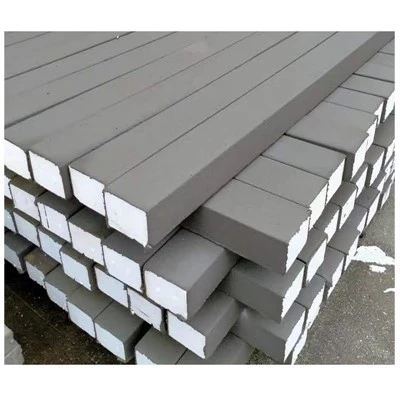
If you’re interested in learning more, or want to discuss a custom project for a tabletop, get in touch to talk through your options. We’ll walk you through everything from material choice to installation tips, so you can make an informed decision that works for your space.
Rock Wool Board References:
- American Society for Testing and Materials. Standard Test Method for Rockwell Hardness of Metallic Materials. 2020.
- International Code Council. Residential Exterior Durability Standards for Building Materials. 2021.
- Metal Finishing Manufacturers Association. Food-Safe Finishes for Metal Tabletop Applications. 2019.
- CNC Machining and Design Quarterly. Dimensional Stability of Carved Metal Sheets for Furniture. 2022.
Shanxi Rongshengchang Trading Co., Ltd.
As one of the most professional metal carved board suppliers in China, we’re featured by quality products and good price. Please rest assured to buy premium metal carved board for sale here from our factory. Welcome to view our website for more information.
Address: No.1602, 16th Floor, Unit 4, Building 13, Pingyang Jingyuan, No.65 Pingyang Road, Pingyang Road Street, Xiaodian District, Shanxi Province, China
E-mail: postmaster@rongshengchang.com
WebSite: https://www.rongshengchang.com/
