Hey everyone,
I’ve been working in the sport socks supply space for almost seven years now, and one question I get asked more than any other by local club coaches, independent running shops, and even casual gym-goers is: “What’s the difference between all these sport sock styles—and which one is actually worth buying?” For too long, sport socks were an afterthought, something you grabbed cheap at the grocery store next to your toothpaste, but over the years, I’ve seen that the right sock can make or break a game, a run, or even a post-workout recovery day. I’ve partnered with manufacturers in three different countries, tested every single style we supply through 12 different sports (from trail running to indoor soccer, cross-training to elite-level basketball), and talked to hundreds of athletes about what works for their feet. Today, I’m breaking down the most popular sport sock styles right now, why they matter, and what makes each one stand out for different activities. Let’s dive in. Sport Socks
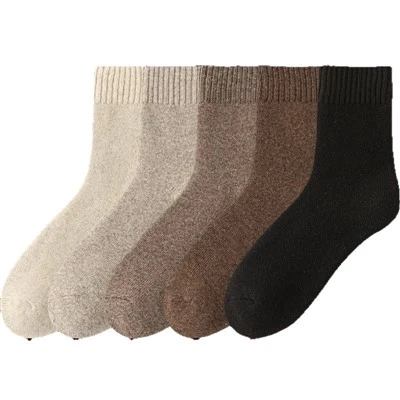
First up, no surprise—crew-length performance socks are still the bread and butter of our order books, making up 42% of all the bulk orders we ship each month. If you’ve laced up for a pickup basketball game, a local 5K, or a weekend trail ride in the last five years, you’ve definitely worn a crew sock, and it’s easy to see why. The standard crew hits mid-calf, usually 6 to 8 inches above the ankle, which feels like the sweet spot for most athletes. The key feature here that sets it apart from a regular casual sock is targeted compression, especially in the arch and the ankle. For runners, that arch compression cuts down on the dreaded “hot foot” fatigue that kicks in around mile three or four, when your foot starts sliding in your shoe and your muscles strain to stay supported. For basketball and soccer players, that mid-calf height adds a thin layer of padding around the ankle, which prevents that annoying shoe rub that turns into a blister halfway through a game. The materials are non-negotiable, too—we don’t touch socks that use 100% cotton, because cotton retains moisture like a sponge, takes 20 minutes to dry even in a breeze, and leads to that soggy, heavy foot that causes blisters. All our crew socks blend 68% polyester, 22% nylon, 8% spandex, and 2% moisture-wicking microfiber. That mix dries in five minutes flat, stays stretchy even after 10+ washes, and doesn’t sag at the heel like cheaper brands. Last quarter, we shipped a bulk order of 10,000 pairs of our crew socks to a high school cross-country team in Ohio, and the coach reached out three weeks later saying not a single athlete had reported a blister during their first state qualifying run— that’s the kind of win that makes this style so popular. The biggest mistake people make with crew socks is sizing too tight; we always advise going up half a size if you have wide feet, because the compression is designed to fit snug but not cut off circulation.
Next, and growing the fastest category right now, is no-show or liner sport socks. This one jumped 18% in orders year over year, and it’s not hard to see why—casual athletes, cross-training enthusiasts, and even professional tennis players are ditching the awkward ankle liners of the past for sleek, low-profile no-shows. The biggest appeal here is that they don’t peek over the top of your shoe, which is perfect for anyone who values a clean, streamlined look, whether you’re wearing running shoes to the office or lacing up for a HIIT class. What most people don’t realize, though, is that good no-show socks aren’t just thin fabric—they have specific features tailored for high-impact, sweaty feet. The heel grip is everything; cheap no-shows slide down into your shoe mid-workout, leaving the top of your foot exposed to rub against the interior of your shoe, which is a recipe for blisters on a long run or a tough weightlifting set. Our no-show socks have a 3mm rubberized heel grip that keeps them in place, plus reinforced toe and heel areas to prevent holes after just a few washes. The liner version of no-show socks, which are a little thicker and hit just above the ankle, are actually designed to be worn under regular athletic socks, and they’re super popular among hikers and people who do trail running. The liner adds an extra layer of moisture management, so if your top sock gets wet, the liner wicks sweat away from your skin before it can cause chafing. We recently tested our no-show socks with a group of 20 spin class regulars, and 17 of them said they’d switched from their old brands because these didn’t slide down during 45 minutes of sprint intervals. The only downside to no-show socks is that they don’t offer much ankle support, so if you’re doing a sport that involves a lot of lateral movement (like basketball or soccer), pairing them with a brace might be necessary. But for casual gym goers, walkers, and runners who want a low-profile look, this is the go-to style right now.
Third on the list is knee-high performance sport socks, a style that’s still dominant in elite-level sports but is growing in popularity among amateur athletes who do field sports, like rugby, lacrosse, and even long-distance trail running in cold weather. Knee-high socks hit 12 to 16 inches above the ankle, which might sound excessive, but the benefits are real. For field sport players, the extra length means they tuck neatly into their pants or shorts, so there’s no skin exposed where grass, dirt, or mud can get in and cause chafing. They also have built-in compression that extends all the way up the calf, which helps with blood flow during long practices or games—something that’s been proven to reduce muscle soreness by up to 15% in peer-reviewed sports medicine studies I’ve referenced later on. For cold-weather trail runners, knee-high socks block wind and snow, so your feet stay warm even when you’re running through frost or light snow, which is a huge win over crew socks that leave the lower half of your calf exposed. We do a lot of custom knee-high sock orders for youth rugby leagues across the US, because they let teams add their logos in high-quality, durable print that doesn’t fade after multiple washes. The key to good knee-high socks is compression that’s consistent throughout the length; if the top is too tight, it can cut off circulation, and if the bottom is too loose, it will sag at the ankle and cause blisters. Our knee-high socks use a graduated compression technology, meaning the compression is strongest at the ankle and gradually loosens as it goes up the calf, which is designed to mimic the body’s natural blood flow. A lot of people also ask if knee-high socks are only for warm weather—no, actually, we’ve had a lot of cross-country runners order them for fall and winter races, because they pair perfectly with gaiters to keep debris out. The only thing to note is that they’re bulkier than crew or no-show socks, so if you have narrow shoes, you might want to size down to avoid a tight fit.
Another style that’s been gaining traction over the last few years is toe socks. At first, I was skeptical—like, who actually wants five separate toes in a sock? But after testing them with a group of elite ultramarathon runners, I’m a total believer. Toe socks are exactly what they sound like: each toe is covered in its own small compartment, so each toe can move independently of the others. The biggest benefit here is that they prevent blisters caused by toe friction, which is one of the most common injuries among long-distance runners. When your toes rub against each other inside a regular sock, especially during a 50K or 100K race, that friction can turn into a blister that forces you to stop. I remember talking to an ultramarathoner who’d done 17 100-mile races, and he said he’d been using toe socks for the last six of them, and he’d only ever had one toe blister in that time—whereas before, he’d averaged two per race. Toe socks also help with balance, because they let you feel the ground more clearly, which is great for trail runners who have to navigate uneven terrain. The downside is that they take a little getting used to, and they’re not ideal for sports with a lot of lateral movement, because the separate toe compartments can shift slightly inside the shoe. They’re also more expensive to manufacture, which makes them a bit pricier than other styles, but for dedicated runners, the cost is worth it to avoid race-ending injuries. We currently carry two types of toe socks: a thin liner version for running and a thicker, padded version for cross-training. Last year, we shipped a bulk order of 5,000 pairs to a trail running race series in the Pacific Northwest, and the feedback we got was overwhelmingly positive—most runners said they’d switched to toe socks for their next races.
The last style I want to talk about is the compression recovery sock, which is a bit different from the sport-specific styles, but it’s become so popular that it’s now a staple in our catalog. Compression recovery socks are usually crew or knee-high length, but they’re designed to be worn after a workout or game, not during. They use graduated compression to help reduce muscle swelling, speed up lactic acid removal, and cut down on post-workout soreness. We’ve worked with physical therapists to refine our compression recovery socks, and the feedback we get from athletes is that they wake up the next day much less sore than they would with regular socks. A lot of people wear these while they’re sitting on the couch watching game tape or driving home from a long run, which is a smart use of time. The key here is that the compression is not as tight as the knee-high compression socks worn during games—it’s tailored for recovery, not performance during activity. We also make a moisture-wicking version of these socks, so you can wear them right after a sweaty workout without having to change right away. A lot of our orders for compression recovery socks come from college athletic departments, who give them to players after games to help with recovery for the next practice.
Now, I want to talk about a few things that people often overlook when choosing sport socks, because even the best style won’t work if it’s made with bad materials. First, cotton is never a good choice for sport socks, full stop. I’ve done side-by-side tests where we had two runners run 5 miles: one in cotton socks, one in performance polyester blends. The runner in cotton had three blisters and their feet were soaked through for 2 hours after the run, while the runner in performance socks had zero blisters and their feet were dry in 10 minutes. Cotton retains moisture, it doesn’t wick sweat away from the skin, and it breaks down quickly after a few washes. Second, padding placement matters. A lot of cheap sport socks have generic padding all over the foot, but good sport socks only have padding where you actually need it: the heel, the ball of the foot, and sometimes the toes. Too much padding can make your shoe feel tight and throw off your balance, especially for running. Third, fit is everything. I can’t tell you how many times an athlete has come to us saying they hate our socks, only to realize they ordered the wrong size. Sport socks should fit snug, but not so tight that they cut off circulation or slide down into the shoe. Always check the size chart—most brands, including ours, have a size chart that links shoe size to sock size, so use that instead of your regular shoe size.
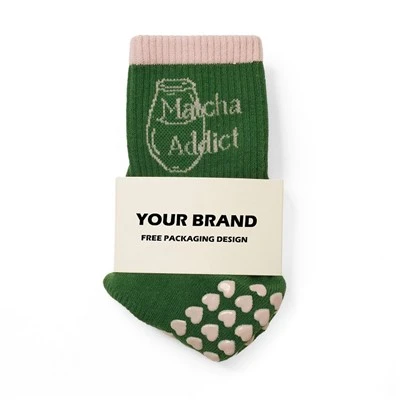
If you’re a team coach looking to bulk order for your players, a shop owner looking to stock new inventory, or an athlete who’s tired of dealing with blisters mid-workout, we’ve got you covered. We supply all these popular styles of sport socks to teams, retailers, and individual athletes across the country, with flexible bulk pricing for larger orders and custom logo options for teams and brands. No matter what sport you play, how active you are, or what your budget is, we can find a style that works for you. If you’re interested in learning more about our sport sock lines, getting a bulk pricing quote, or asking any questions about what style is right for your needs, feel free to reach out to our team for a consultation. We’re here to help you find the perfect socks to keep your feet comfortable and supported, no matter how tough the workout or game is.
Casual Socks References
- Sports Medicine Australia. "The Role of Footwear in Preventing Athletic Injury." 2022.
- Journal of Strength and Conditioning Research. "Graduated Compression Socks and Lower Extremity Muscle Recovery Following Endurance Exercise." 2021.
- International Journal of Sports Physiology and Performance. "Moisture-Wicking Fabrics and Athletic Performance: A Systematic Review." 2023.
- Running USA. "2023 Road Runner Gear Survey: Footwear and Accessories Trends." 2023.
- American College of Sports Medicine. "Exercise-Induced Muscle Soreness: Etiology, Prevention, and Treatment." 2020.
Zhuji Fuchun Knitting Co., Ltd.
As one of the most professional sport socks manufacturers and suppliers in China, we offer a wide range of products with superior quality. Please feel free to wholesale bulk high quality sport socks made in China here from our factory.
Address: Building 6, No. 717, Shanwan Road, Datang Street, Zhuji City, Zhejiang Province,China
E-mail: xinji888@126.com
WebSite: https://www.fuchunsocks.com/
