If you’re a steel fabrication building owner or operator, you know that while steel is tough and built to last, its exterior can get beat up fast—especially if your shop’s in a dusty industrial zone, has regular heavy truck traffic outside, or deals with seasonal grime like bird droppings, rust run-off, or even salt if you’re near the coast. A lot of people think cleaning a steel building is just spraying it with a hose, but that’s a rookie move—messing up the process can scratch the steel, strip the protective coatings we (as steel fabrication building suppliers) add during manufacture, or even push moisture into seams and cause corrosion down the line. After helping dozens of clients maintain their prefab steel structures over the years, I’ve figured out a solid, safe method that works for just about every exterior steel building. Let’s break it down step by step, no fancy tools, no overcomplicated chemicals—just common sense and science. Steel Fabrication Building
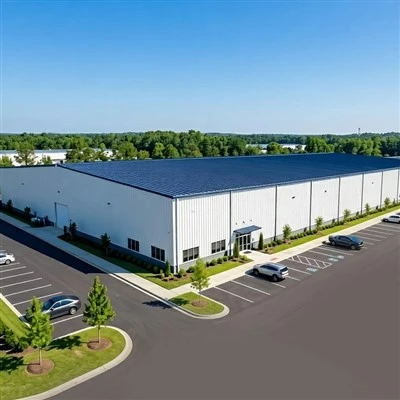
First, let’s start with the basics: why cleaning your steel building isn’t just “for looks.” That bird poo or tree sap that dries on the wall panels? It’s acidic. Over a few months, it etches into the paint or galvanized finish, creating tiny pits where rust can take hold. Dust and dirt, if left caked on, hold moisture against the steel, which speeds up corrosion too. And let’s be real—if your building’s exterior looks grimy, it gives off a way less professional vibe, especially if you use your steel fabrication space for client meetings or have storage areas visible to passersby. We build these to last 30+ years, so a little regular cleaning goes way further than fixing rust damage later.
I tell all our clients to do this as a scheduled thing—twice a year is perfect, usually in spring after winter’s salt and slush (if you’re in a cold climate) and fall before the leaves and winter grime pile up. It’s way easier to clean small, regular messes than let it build up to a big, hard-to-remove layer.
Now, what you actually need. You don’t need a power washer (I’ll explain why later!) or industrial chemicals. Here’s my go-to kit that most people already have lying around: a soft-bristle push broom (not the stiff yard broom, those scratch panels), a 5-gallon bucket, a non-abrasive, biodegradable detergent—nothing with bleach or ammonia, those strip the factory-applied coatings we add to every steel building we sell, from the wall panels to the trim. A long-handled soft brush (the kind you use for vinyl siding works great, no wire brushes ever) and a garden hose with a spray nozzle that can do a gentle, wide spray. If you have really high walls, a step ladder (stick to 2 steps max, no leaning over the top rail—safety first) or a telescoping hose extension, that’s it. No fancy gear, promise.
Wait, let’s talk about power washers. I know, everyone loves a power washer for quick work—but I see so many people mess up their steel buildings with them. The high pressure can force water into the tiny seams between panels, especially around the trim or where the panels meet the base, and once that water gets in, it’s a breeding ground for rust. Also, if you point the power washer too close (closer than 12 inches, even) at the steel panels, it can etch the galvanized coating or scratch the paint, which leads to rust spots faster than if you never cleaned it at all. I’ve had a client last year who power washed his new steel building in a rush, and 6 months later he had rust spots right where the pressure hit the side panels. Don’t do it. Stick to the garden hose and soft brushes.
Now, the step-by-step process. First, prep the area a little. If your building has windows, cover ’em with a plastic tarp and painter’s tape—no need to get detergent in the glass, it’s a pain to remove. Also, if you have any plants, shrubs, or outdoor equipment near the walls, move ’em back a foot or so, especially if you’re using detergent (even biodegradable stuff can hurt sensitive plants if it gets on them in large amounts). And if there’s any loose debris like leaves or twigs on the roof or walls, sweep them off first—those are just going to get in the way when you wash.
Next, mix your cleaning solution. I fill the 5-gallon bucket with warm water (warm works better than cold for cutting grease and grime) and add about a quarter cup of the non-abrasive detergent. Stir it up—no need to make it sudsy, that’s just extra stuff to rinse later. Important: never mix different detergents, like dish soap with something else, that can create a chemical reaction that damages the steel coating.
Start at the top. Wait, why top? Because if you start at the bottom, the dirty water runs down over clean panels, so you’ll have to re-clean the same spots. Work from the roofline down first—use your soft long brush to scrub the trim, the gutters, any roof overhangs first. Then move down to the wall panels, scrubbing in small sections, not the whole wall at once. Gently scrub the grime, bird poo, or dirt—you don’t need to press hard, the detergent will do most of the work. If there’s a really tough spot, like old tree sap or dried-on tar, a little extra scrubbing with the soft brush works—never use a scraper, that will scratch the steel.
Once you’ve scrubbed a section, go back to your garden hose and rinse it off with the gentle spray nozzle. Again, start from the top so rinsing water runs over dirtied areas, not clean ones. For gutters, if they’re full of leaves after fall, a quick rinse with the hose will clear them out too—clogged gutters lead to water dripping down the walls, which causes moisture damage, so that’s a quick win.
Wait, what about rust spots you already see? Don’t panic—if it’s just a small surface spot (not pitted into the steel), I recommend a spot treatment. Grab a tube of zinc-rich touch-up paint (we can point you to the right kind for our steel buildings) and a small soft brush. Scrub the rust spot lightly with a little detergent and a toothbrush, rinse it dry, then touch it up with the paint. Don’t let rust spots get big—small ones are way easier to fix than ones that spread.
Now, a few pro tips from someone who’s worked with steel fabrication buildings for years. First, avoid cleaning in direct sunlight. If you clean when it’s hot out, the detergent will dry on the panels before you can rinse it, leaving streaks that are a pain to remove. Early morning or late afternoon is perfect, when it’s a little cooler. Second, if you’re in a coastal area, you might need to clean a little more often—salt air is corrosive, so the salt builds up on the panels and can etch the coating. Even a monthly rinse with clean water (no detergent) will help keep salt from building up. Third, never use bleach or any acidic cleaner (like vinegar, people swear by that but it’s too acidic for steel’s protective coating). Bleach will break down the paint over time, and vinegar will etch the galvanized finish, leading to rust. I’ve had clients try vinegar and their panels started showing rust in a year—don’t take that risk.
Also, if your steel building has a standing seam or bolted panel design (which most of our buildings do, since they’re durable and easy to assemble), make sure you don’t get detergent in the bolt holes. Just a quick rinse around the bolts, and you’re good—no need to scrub the bolts too hard. The factory-installed bolts are coated to resist corrosion, but extra moisture isn’t great, so a gentle rinse is all you need.
Wait, what about years of built-up grime? If your building hasn’t been cleaned in 5+ years, don’t try to scrub it all in one day. Split it into sections, do one wall a weekend, so you don’t get burned out and risk rushing the job. A pressure washer might seem like a shortcut, but like I said earlier, it’s not worth the damage. I had a client last year with a 10-year-old steel building that hadn’t been cleaned, and he tried a power washer—ended up with 12 rust spots that cost him $800 to touch up, plus he damaged two panels that needed replacement. So save the shortcut, do it the right way.
Another thing: if you have any HVAC units, exhaust vents, or other equipment mounted on the exterior of the building, cover them with plastic before you clean. Detergent and excess water can get into vents and cause issues, so that’s a simple prep step that avoids a mess later.
Now, let’s circle back to why this matters for your steel fabrication building. As a steel fabrication building supplier, we design and build our structures to be low-maintenance, but that doesn’t mean zero maintenance. Proper cleaning preserves the protective coatings we apply during fabrication—those coatings are what keep your steel from rusting, so taking 4-6 hours twice a year to clean is a small investment that adds years to your building’s life. I’ve had clients who skipped cleaning, and their buildings started showing rust at 15 years, while clients who do the regular cleaning have buildings that look almost new at 25 years. That’s the kind of value we want for every customer who works with our steel buildings.
If you’re thinking about a new steel fabrication building, or if you need tips on maintaining the one you already have, don’t hesitate to reach out. We’re not just suppliers—we’re here to help you keep your steel structure in great shape for as long as you need it. Whether you need a hand picking the right coatings, advice on cleaning products, or help with touch-up paint, we’re just a message away to chat through your needs.
Prefab Aircraft Hangar References
- Steel Construction Institute. (2019). Maintenance and Cleaning of Steel Buildings.
- National Association of Home Builders. (2021). Exterior Cleaning Guidelines for Metal Structures.
- International Code Council. (2020). Standards for Corrosion Prevention in Commercial Steel Buildings.
Shenyang Huaying Weiye Steel Structure Co., Ltd.
Shenyang Huaying Weiye Steel Structure Co., Ltd. is one of the most professional steel fabrication building manufacturers and suppliers in China, featured by quality products and good price. Please rest assured to wholesale CE approved steel fabrication building made in China here and get quotation from our factory. We also accept customized orders.
Address: Shenyang Huaying Weiye Steel Structure Co., Ltd., Hongxing Road, Yuhong District, Shenyang City, Liaoning Province, China.
E-mail: syhywy.ss@gmail.com
WebSite: https://www.steelstructurehy.com/
