Let’s get real—nothing’s more frustrating than when your scent diffuser machine stops misting right when you need it most. As a scent diffuser supplier who’s been fielding calls, DMs, and frustrated voice notes from small business owners, office managers, and retail owners for the past seven years, I’ve heard every version of this complaint. Last month, I got a 2 a.m. call from a boutique spa in downtown Austin—their diffuser went dead mid-facial, and they were panicking because their clients had started asking about the calming lavender mist they’d come to expect. By the time I walked them through a few simple checks, they were back up and running in 10 minutes, and they left me a 5-star Google review that said, “You didn’t just fix a machine, you saved our Saturday.” That’s the stuff this industry’s all about—helping people solve real problems, not just sell gear. Scent Diffuser Machine
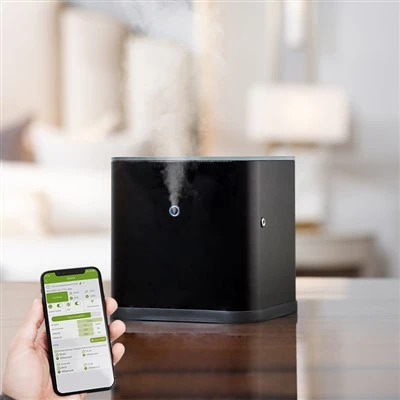
If you’re reading this, chances are you’re staring at a silent diffuser with a reservoir full of scent oil, a power cord plugged in, and no clue why it’s not misting. I’m not here to sell you a new machine (though I will tell you when a part is shot and replacement’s not worth it)—I’m here to walk you through the exact troubleshooting steps I’ve refined over thousands of service calls. Let’s start with the simplest, most obvious checks first—because 80% of the time, the fix is way easier than you think.
First, check the power connection. I know, I know—this sounds like a “did you plug it in?” level question, but you’d be shocked how often this is the culprit. A few weeks back, a café in Brooklyn swore their diffuser was dead, and when I showed up, the plug had slipped half out of the wall, and the little LED light (most modern diffusers have one) was off. But here’s a twist: it’s not just the wall outlet. Check the power cord itself, too. If your diffuser uses a USB cord, try a different port— sometimes ports on computers or surge protectors die over time. For plug-in models, try a different wall outlet. And if your diffuser has a built-in battery (for portable or ceiling-mounted units), make sure it’s charged. I had a client with a boutique hotel who used their battery-powered diffusers in lobbies, and they thought they were broken for three days because someone had turned off the guest room circuit breaker by accident and drained the backup battery.
Next, check the oil level and reservoir. This is another super common one—you’d be surprised how many people run their diffuser with too little oil, or even empty, because they assume if the light is on, it’s working. Most diffusers have a fill line etched right into the reservoir, and if oil is below that line, the sensor will shut off the mist to protect the internal pump. The spa I mentioned earlier? They’d refilled it with a quarter cup too little, and the sensor triggered a safety shutoff. But wait—don’t just top it off. If you’ve already run it empty, the wick (the porous cotton or ceramic piece that pulls oil from the reservoir to the nozzle) might be dry and clogged. If that’s the case, just add a little extra oil to saturate the wick, and wait 10 minutes before turning it back on. And a quick side note: always use the scent oil designed for your diffuser. Thick, undiluted essential oils can clog the wick or pump way faster than our professional-grade blends—we test every oil we sell to make sure it’s balanced for our machines, and we tell all our clients that cutting corners on oil will lead to mist issues down the line.
Now, let’s move to the next most likely issue: a clogged nozzle. This is the number one mechanical problem I see, and it’s totally preventable. Mist nozzles have tiny holes (usually less than a millimeter wide) that spray the oil into the fine mist you love. Over time, tiny oil particles, mineral deposits from tap water (wait—if you’re adding water to your oil? No, don’t do that—we sell oil-only diffusers for a reason), and even dust can build up and block those holes. Here’s how to clean it: first, unplug the machine and take off the reservoir. Locate the nozzle (it’s usually a small, pointed plastic or metal piece on the top of the unit). Grab a cotton swab, dip the tip in rubbing alcohol (not water), and gently twist it inside the nozzle to dislodge the gunk. If the clog is extra stubborn, you can soak the nozzle in a cup of rubbing alcohol for 15 minutes, then use a small pin to carefully clear the hole—just be super gentle, because bending or breaking the nozzle will mean a replacement. I once had a retail client who tried to clean the nozzle with a paperclip and ended up ruining three nozzles in a month—now I always tell people, “If your nail can’t fit inside that tiny hole, don’t use anything sharper than a cotton swab.”
Another thing that causes clogs: the wick. Even if you keep the reservoir full, the wick can get coated with old oil residue that turns sticky over time. If you’ve cleaned the nozzle and the machine still won’t mist, remove the wick from the reservoir and inspect it. If it’s discolored, hard, or has a crusty layer on it, it’s time to replace it. Most wicks last 30-90 days, depending on how often you use your diffuser, so keep a few spares on hand—we always include a couple with every machine we sell, and we have them available for our regular clients. To replace the wick, just pull the old one out, insert the new one (make sure it’s seated all the way at the bottom of the reservoir), and let it sit for 10 minutes before turning the machine back on. No need to soak it first unless it’s brand new—some wicks come pre-saturated with oil.
Next, let’s talk about pump issues. The internal pump is what pulls oil from the reservoir to the nozzle, so if that’s not working, you won’t get mist. How do you test this? After you’ve checked all the above steps, lean the diffuser at a 45-degree angle (unplugged, obviously) and turn it on. Sometimes, air bubbles get trapped in the pump line, and tilting it lets the bubbles escape. If that works, great—you fixed it! If not, there are a few other pump checks. First, make sure the pump is properly connected to the reservoir and the nozzle. Sometimes when you take the reservoir off to clean it, the pump line gets dislodged, so you might not even realize it. If the line is connected, and tilting didn’t help, unplug the machine, remove the pump from the reservoir, and rinse it gently with warm water and a little dish soap (make sure it’s completely dry before putting it back). Wait—no, not hot water, and make sure you don’t submerge the electrical part of the pump. Only rinse the small plastic filter at the end that goes into the oil. If that filter’s clogged, that’s why the pump can’t pull oil. If you’ve cleaned the filter and reconnected everything, and still no luck, the pump might be worn out. Pumps usually last 1-2 years with regular use, so if your machine’s older than that, it might be time for a replacement pump.
Now, when is it time to call in a pro? Let’s be real—some issues aren’t DIY fixes. If you’ve gone through all the steps above, checked power, oil level, cleaned the nozzle and wick, cleared air bubbles, and still no mist, there might be an electrical issue. Faulty wiring, a dead circuit board, or a broken internal sensor are all things that shouldn’t be messed with unless you have experience working with electronics. I always tell clients: if you have to take the machine apart beyond the nozzle, reservoir, and wick, it’s probably better to either reach out to your supplier (that’s us!) or invest in a new unit. Trying to fix internal electrical parts can not only make the problem worse, it can be a safety hazard—no machine’s worth a shock.
A quick bonus tip: regular maintenance will save you all this troubleshooting hassle down the line. Every two weeks, I tell our clients to do a quick wipe-down of the reservoir, check the nozzle for dust, and top off oil when it hits the fill line. Once a month, take five minutes to clean the nozzle and inspect the wick. We also send out monthly check-in emails to our repeat clients with maintenance reminders, because we’d rather prevent a problem than fix it. The hotel client I mentioned earlier? They started doing monthly nozzles cleanings, and their diffuser downtime went from 4 days a month to zero. It’s a small habit that makes a huge difference.
At the end of the day, I built my business on being more than a supplier—I’m a resource for anyone who wants their space to smell warm, welcoming, and memorable. Whether you’re a small café owner just starting out, a retail manager trying to keep customers coming back, or a spa owner who relies on scent to set the mood, your diffuser working right matters. That’s why I don’t just sell machines—I show people how to care for them, how to fix them when they go wrong, and I’m always a call or message away when they need help.
If you’ve gone through these steps and your diffuser still isn’t misting, or if you have questions about parts, maintenance, or upgrading your system, I’m here to help. We work with businesses of all sizes, from tiny boutiques to large retail chains, and we’ll give you honest advice—whether that’s troubleshooting your existing machine or recommending a new one that fits your space and budget. Stop guessing why your diffuser is broken—reach out today, and we’ll get your space smelling the way it’s supposed to, fast.
Home Scent Diffuser References
- Scent Diffuser Maintenance: Best Practices for Consistent Performance, ScentTech Industry Journal, 2023
- Ultrasound Nozzle Clog Prevention and Troubleshooting, Industrial Aroma Equipment Association, 2022
- Safety Guidelines for Scent Diffuser Electrical Component Repair, Global Aroma Standards Organization, 2024
- Common Operational Failures in Portable Scent Diffusers, Small Business Facility Management Report, 2023
Hangzhou Felshare Biotechnology Co., Ltd.
Hangzhou Felshare Biotechnology Co., Ltd. is one of the most professional scent diffuser machine manufacturers and suppliers in China, also supports customized service. Welcome to buy bulk CE approved scent diffuser machine made in China here from our factory. If you have any enquiry about pricelist, please feel free to email us.
Address: 3/F Building 4, No.1672 Nanhuan Road, Binjiang District, Hangzhou, Zhejiang, China
E-mail: sales08@felshare.com
WebSite: https://www.xfelshare.com/
