If you’re running a medical supply clinic, home care agency, or even a small-scale oxygen therapy program in Canada, you’ve probably asked yourself this question before: Are oxygen adsorbers approved for use here? As a supplier of these devices, I get this query at least a handful of times every week—usually followed by a second, more specific one: “What do I need to do to make sure the units I’m purchasing meet Canada’s standards?” Oxygen Adsorbers
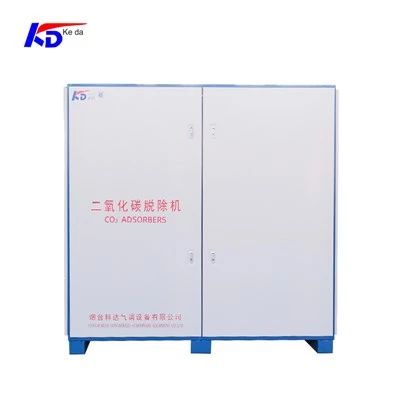
Let’s cut through the confusion. Oxygen adsorbers, most commonly Pressure Swing Adsorption (PSA) devices, work by pulling nitrogen out of ambient air to deliver concentrated oxygen to patients. They’re popular because they’re reliable, don’t require bulky oxygen tanks or frequent refills, and are far more cost-effective long-term than liquid oxygen systems for many users. But when it comes to regulatory approval in Canada, there are strict rules that separate legitimate, safe devices from the ones that don’t meet the bar.
First, I want to set clear expectations: Not all oxygen adsorbers available on the market are approved for use in Canada. The regulatory body overseeing medical devices here is Health Canada, and they enforce the Medical Devices Regulations under the Food and Drugs Act. If you’re a provider looking to source these units for patient care, cutting corners on approval can lead to serious consequences—from fines to non-compliance audits that put your patient care program at risk.
Let me break down what that approval process actually entails, because it’s not a simple stamp of approval. For an oxygen adsorber to be sold or used in Canada, it has to be classified by Health Canada first. Medical devices are ranked into four classes, based on their level of risk. Oxygen adsorbers that deliver oxygen to patients for therapeutic use fall right into Class II, or sometimes even Class III, depending on the specific features (like if they integrate with hospital monitoring systems or have built-in emergency fail-safes). Class II devices have moderate risk, so manufacturers have to prove that their unit is safe and effective through rigorous testing, documentation of quality control processes, and clinical data that backs up its performance in real-world settings.
I’ve seen suppliers try to cut this process short, claiming their units are “global approved” and that’s enough for Canada. But that’s a common mistake. For example, a device approved in the U.S. by the FDA doesn’t automatically qualify in Canada, and a device approved in Europe by CE marking has to go through extra steps to meet Health Canada’s specific requirements for oxygen purity levels, noise output, and fail-safe mechanisms. Health Canada’s review process for Class II medical devices typically takes between six and twelve months, depending on the complexity of the device. Manufacturers have to submit a pre-market notification (PMN) or, for higher-risk devices, a pre-market approval (PMA) application, and they have to provide detailed test reports from accredited labs. For oxygen adsorbers specifically, Health Canada has very strict requirements for oxygen concentration levels—they need to deliver 90% or higher oxygen at the point of use, with consistent output, even as the unit ages or ambient conditions (like high altitude or humidity) change.
Another key point: Once an oxygen adsorber is approved in Canada, the manufacturer has to comply with post-market surveillance rules. That means they have to track any adverse events related to the device, update their documentation if any changes are made to the unit’s design or components, and ensure that the units being manufactured match the ones that went through the approval process. As a supplier, I always make sure that every unit we provide comes with the full Health Canada approval number, and that we can share all the supporting documentation a clinic or home care agency needs for audits or patient records.
Now, what does this mean for you as a buyer? When you’re evaluating oxygen adsorber suppliers, don’t just ask for a price—ask for proof of Health Canada approval. A legitimate supplier will be able to provide the approval number, confirm that the device is listed on Health Canada’s Medical Devices Active Licence Listing (MDALL), and walk you through the device’s features that meet Canadian standards. For example, many of the top oxygen adsorbers on the market for Canada have built-in alarms that alert patients or caregivers if oxygen purity drops below 82%—a requirement that some lower-quality units skip to cut costs. These alarms are non-negotiable in Canada, because they prevent dangerous situations where a patient isn’t getting enough oxygen to support their condition.
I’ve had clients come to me after working with another supplier that provided non-approved units. They’d gone through a routine audit with their provincial health authority, and the auditors flagged the devices as non-compliant. That led to a temporary suspension of their oxygen therapy program while they sourced approved units, which disrupted care for vulnerable patients and cost them thousands of dollars in lost revenue and remediation fees. It’s a mistake that’s completely avoidable with due diligence.
Another common misconception is that oxygen adsorbers for home use have different approval rules than those for clinical or hospital use. Actually, the approval classification is the same—what changes is the labelling and packaging. Home-use oxygen adsorbers require clear, simple instructions in both English and French (Canada’s official languages), as well as a quick-reference guide for patients who may not be medically trained. Clinical units, on the other hand, need more detailed documentation for caregivers, including calibration schedules, troubleshooting guides, and compatibility information for integration with existing hospital equipment. I work with both clinics and home care providers, so I make sure that I can deliver both types of approved units, labelled correctly for their intended use.
Now, let’s talk about reliability—something that’s tied directly to approval. Non-approved oxygen adsorbers often have shorter lifespans, with components that wear out faster, leading to more downtime and more maintenance costs for the user. Approved units, by contrast, are tested for thousands of hours of continuous use, with replacement parts that are readily available in Canada, and service providers that are trained specifically on that model. For example, a hospital relying on oxygen therapy for 50 patients a day can’t afford a unit that goes down for three days because a non-approved component failed. That’s why so many long-term clients of mine have stuck with approved adsorbers even when cheaper non-approved options come along.
I also want to mention something about safety for patients at high altitude. Canada has a lot of territory at elevation above 1,000 meters, and standard oxygen adsorbers often struggle to maintain concentration levels in thin air. Health Canada requires manufacturers to test their units at varying altitudes, and any model designed for use in high-altitude regions of Canada has to meet specific performance standards there. I have a number of clients in Alberta, British Columbia, and the Yukon who work with patients at elevations over 1,500 meters, and I only supply them with adsorbers that have been tested and approved for high-altitude use.
If you’re still unsure whether a specific oxygen adsorber is approved, the easiest way to verify is to check Health Canada’s MDALL online. You can search by device name, manufacturer, or approval number, and confirm that the device is licensed for sale in Canada. That’s a step I always recommend to potential clients, even after I’ve shared our approval documentation with them. Transparency is important to me as a supplier, because I want my clients to feel confident that they’re making a safe, compliant choice for their patients.
As someone who’s been in the oxygen adsorber supply business for over a decade, I’ve seen firsthand how the approval process has evolved in Canada. Health Canada has gotten stricter over the years, and for good reason—there have been cases of low-quality devices causing patient harm, whether from insufficient oxygen delivery, faulty alarms, or improper design. For providers, that means the bar has only gotten higher, but it also means that investing in approved devices is an investment in patient safety, regulatory compliance, and long-term operational stability.
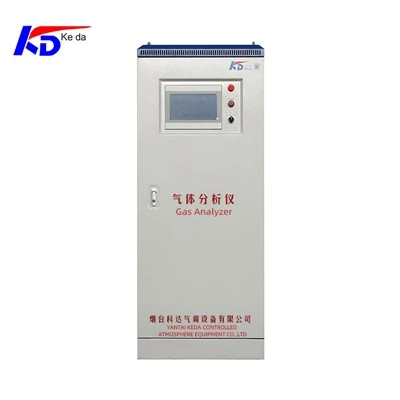
If you’re ready to source oxygen adsorbers for your clinic, home care program, or medical facility in Canada, I encourage you to reach out. I can walk you through our full range of approved models, provide all the necessary Health Canada documentation, help you choose the right device for your specific patient population and environment, and answer any questions you have about installation, maintenance, or compliance. Whether you need units for a small home care agency or a large urban hospital, I can provide reliable, compliant oxygen adsorbers that meet all of Health Canada’s requirements.
Ethylene Scrubber References:
- Health Canada. Medical Devices Regulations.
- Health Canada. Class II Medical Devices: Pre-Market Notification Requirements.
- Health Canada. Pressure Swing Adsorption Oxygen Concentrators: Performance Standards.
- Medical Devices Active Licence Listing (MDALL), Health Canada.
- Canadian Centre for Occupational Health and Safety (CCOHS). Medical Gas Equipment Safety Standards for Canada.
Yantai Keda Zhixian International Trade Co., Ltd.
As one of the leading manufacturers and suppliers of oxygen adsorbers in China, we have world-leading production equipment and strong manufacturing capabilities. Please feel free to buy high-grade oxygen adsorbers for sale here from our factory.
Address: No.18-2, Wuhan St, Yantai ETDZ, Yantai, Shandong, China
E-mail: ytkeda2026@163.com
WebSite: https://www.kedacastorage.com/
