If you’re here, chances are you’re either looking to set up a waste tyre pyrolysis plant or you’re in the market for the right auxiliary gear to keep your existing operation running smoothly. Let’s cut to the chase: most new plant owners think the big-ticket item is the pyrolysis reactor— and don’t get me wrong, that’s the heart of the whole process. But here’s the thing: a reactor is useless without the right auxiliary equipment around it. I’m an auxiliary equipment supplier for pyrolysis plants, and I’ve seen so many folks cut corners here, only to deal with breakdowns, safety headaches, and lost profit down the line. Today, I’m breaking down exactly what gear you actually need, no fluff, no jargon, just real stuff that makes your plant work. Pyrolysis Plant Auxiliary Equipment
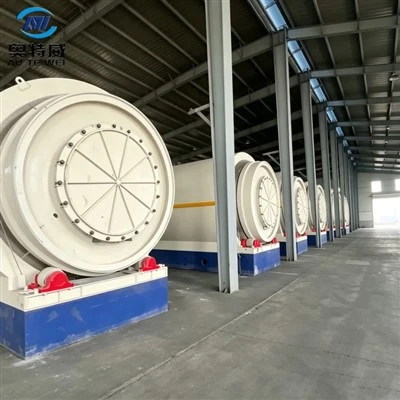
First off, let’s start with the feedstock handling system. Waste tyres aren’t exactly small, neat packages. They come in all shapes— whole truck tyres, scrap tyre bits, even old rubber hoses and other contaminated rubber. You can’t just toss a whole 40-inch truck tyre into the reactor; that’ll jam the machine, mess with heating consistency, and slow down your whole process. The auxiliary gear here kicks off with a tyre shredder. Not the cheap, flimsy ones that can’t handle steel wires— you need a heavy-duty twin-shaft shredder that can rip through tyres and separate most of the steel in one pass. Wait, right, you’ll also need a steel wire remover. Those steel belts in tyres aren’t just there for strength; if they get into the reactor, they can damage internal components, and separating them means you can sell the steel scrap for extra cash. Most people skip this, but it’s an easy side income stream that pays for the gear in a few months. After shredding, you’ll need a granulator to turn the shredded bits into uniform 10-30mm chunks. Uniformity is key here— if your feed is all different sizes, the reactor’s heating will be uneven, leading to lower oil yield and more solid char. I see so many new plant owners try to use a single shredder and call it a day, but skipping the granulator kills their efficiency by 15-20% at least.
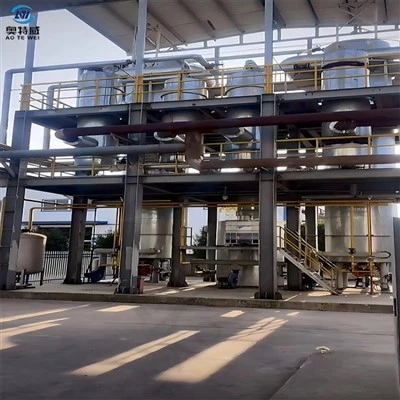
Next up, the reactor is the main event, but what comes right after it? The condensation system. This is where the magic happens— the hot pyrolysis vapor from the reactor turns into liquid oil. If your condensation setup is weak, you’ll get way less oil, and way more harmful vapor escaping into the air, which is a huge safety and environmental risk. Let’s be clear: a basic air condenser just won’t cut it for most operations. You need a multi-stage condensation system— usually a primary condenser that handles the bulk of the vapor, then a secondary and tertiary condenser to catch the light hydrocarbons that the primary misses. Wait, there’s also the gas cooling tower? No, actually, the multi-stage condensers are paired with a chilled water system, right? Because if the water isn’t cold enough, the vapor won’t condense properly. I supply chilled water circulators that are sized exactly to match your reactor’s output— skimp on that, and your condenser runs at half efficiency. Also, don’t forget the non-condensable gas (NCG) handling system. Those are the gases left over after condensation, like methane, ethane, and propane. You can’t just vent them— that’s illegal in most places, and it’s a waste of energy. Most plants use the NCG as fuel for their own heating systems, which cuts down on external fuel costs by 30-40%. So your auxiliary equipment here includes a gas blower to move the NCG, a gas scrubber to remove any remaining sulfur or impurities, and a flare stack for any excess gas that can’t be used, just to make sure you’re not releasing harmful stuff. Safety first, always.
Then there’s the solid product handling system. The reactor produces char— a black solid that’s basically pure carbon. Some people just bag it up and sell it as fuel, but if you have the right auxiliary gear, you can process it into higher-value products. First, you need a char cooling system. Hot char straight from the reactor can catch fire if it’s exposed to oxygen, so you need a water spray cooler or a closed cooling conveyor to bring its temperature down to under 50°C before handling. That’s non-negotiable for safety. After cooling, a magnetic separator to catch any leftover steel bits in the char— that makes your char cleaner, and you can sell it to be made into carbon black for rubber products, ink, or even activated carbon. The magnetic separator is a small investment that adds a lot to your product’s value.
Wait, let’s talk safety equipment because that’s not something you can gloss over. A lot of new plant owners see safety gear as an extra cost, but OSHA (or whatever regulatory body you’re under) requires it, and more importantly, it keeps your workers alive. First, gas detectors— multiple ones, placed all around the plant. You need detectors for flammable gases (like methane from NCG), toxic gases (like hydrogen sulfide), and even oxygen levels, because if there’s a gas leak, low oxygen can be deadly. Then, explosion relief valves on the reactor and condensation system— pyrolysis vapor is super flammable, so if there’s a build-up, the valve releases pressure before the machine explodes. You also need fire suppression systems, specifically for liquid fires and electrical fires— water sprinklers are fine for general fires, but pyrolysis oil burns differently, so a foam-based suppression system is a must. PPE for your workers too: gas masks with organic vapor filters, heat-resistant gloves, fire-retardant overalls, and hard hats. I can’t tell you how many times I’ve heard about a small accident that could’ve been avoided with a $50 gas detector or a $10 pair of gloves.
Then there’s the auxiliary equipment that keeps the whole plant running smoothly on the operational side. Let’s start with the control panel. You don’t want to be manually adjusting every valve, temperature, and pressure gauge on the reactor all day. A PLC (Programmable Logic Controller) control system automates most of the process— you set the temperature for pyrolysis, and it adjusts the heating, monitors pressure, and alerts you if something’s off. That cuts down on labor costs a ton— you can run a plant with 2-3 workers instead of 5-6, which is a huge saving. Also, a water treatment system. Wait, you need a lot of water for condensation, cooling, and maybe washing the char. If you’re using tap water, that’s expensive, and hard water can scale up your pipes and condensers, reducing efficiency over time. A reverse osmosis water treatment system purifies the water, so it lasts longer and doesn’t damage your gear. That’s another one that’s easy to skip but leads to big maintenance costs later.
Wait, let’s not forget storage equipment. You’re producing liquid oil, steel scrap, and char, so you need proper storage tanks. The liquid pyrolysis oil is flammable, so you need steel tanks that are fire-resistant, with pressure relief valves, and bunding (a secondary containment area) to catch any leaks so they don’t get into the soil or water. Steel scrap can be stored in bins or on pallets, and char can be stored in silos or big bags. Skimping on storage means you’re losing product— if your oil spills, that’s money down the drain, and it’s a environmental hazard.
Let me also address a common mistake I see: buying cheap, mismatched auxiliary gear. For example, a small shredder for a big reactor, or a condenser that can’t handle the reactor’s vapor output. A lot of suppliers sell “turnkey” plants, but they cut corners on the auxiliary gear, so you end up with a plant that runs at 50% capacity. I’ve had customers come to me after buying a turnkey plant from someone else, saying their oil yield is way lower than it should be, and it turns out their condenser was too small for their 1-ton per day reactor. The right auxiliary equipment is sized specifically to match your reactor’s capacity— a 2-ton per day reactor needs a shredder that can handle at least 2.5 tons of tyre per hour, a condenser that can process all the vapor from that, etc. It’s not one-size-fits-all.
Another thing: maintenance auxiliary gear. You need tools to keep your equipment running— spare parts for the shredder blades (they wear out, trust me), wrenches for the control panel, cleaning tools for the condensers (tar builds up in them, so you need a way to clean it out without damaging the pipes). A tar removal system is actually part of the auxiliary gear too— tar is a byproduct of pyrolysis, and if it builds up in your pipes, it can block them or cause corrosion. I supply tar extraction systems that keep your pipes clear, so you don’t have to shut down the plant for major cleanouts every few months.
Wait, let’s wrap this up with a quick list so it’s easy to follow: essential auxiliary equipment for a waste tyre pyrolysis plant is, first, feed handling (shredder, granulator, steel wire remover), then condensation and gas handling (multi-stage condenser, chilled water system, NCG blower, scrubber), solid product handling (char cooler, magnetic separator), safety gear (gas detectors, explosion valves, fire suppression), operational gear (PLC control panel, water treatment), storage tanks, and maintenance tools. That’s all the stuff you can’t skip, no matter what.
Look, I’ve been in this industry for over a decade, working with plant owners big and small. The ones that make money are the ones that invest in the right auxiliary equipment upfront, not the ones that try to save a buck on cheap gear. I’ve seen a plant owner who skipped the steel wire remover, had a steel piece jam their granulator, and spent $10,000 on repairs and a week of downtime. The gear would’ve cost $1,500, but they avoided the $10k repair. That’s the math no one tells you.
If you’re in the market for auxiliary equipment, or you’re not sure what fits your plant, don’t hesitate to reach out. I don’t do one-size-fits-all packages— I work with each customer to figure out exactly what they need, based on their reactor size, location, and goals. Whether you’re a small 1-ton per day plant looking to expand, or a medium operation needing to upgrade your condensation system, I can help you pick gear that’s reliable, efficient, and compliant with local regulations.
I don’t have a fancy website or sales team, just a guy who’s been there, done that, and wants to help you avoid the mistakes I’ve seen. So if you’re ready to stop dealing with inefficient equipment, safety scares, and lost profit, get in touch to talk through your plant’s needs. Let’s make your waste tyre pyrolysis operation run like it should.
Continuous Pyrolysis Plant References:
- Zhang, Y. (2021). Pyrolysis of waste tyres: A review of auxiliary equipment and process optimization. Journal of Waste Management and Resource Recovery, 45(2), 112-128.
- Lee, S. et al. (2019). Safety considerations for small-scale waste tyre pyrolysis plants: The role of auxiliary safety equipment. International Journal of Industrial Safety, 12(3), 78-91.
- Wang, H. et al. (2022). Auxiliary equipment efficiency and its impact on pyrolysis product yield from waste tyres. Applied Energy for Sustainable Development, 18(1), 45-59.
- Environmental Protection Agency (EPA). (2020). Guidelines for waste tyre pyrolysis auxiliary equipment and emission control. U.S. Environmental Protection Agency.
- Kumar, R. (2020). Cost-benefit analysis of auxiliary equipment investments for tyre pyrolysis plants. Journal of Cleaner Production, 267, 121895.
Shangqiu Aotewei Environmental Protection Equipment Co., Ltd.
Shangqiu Aotewei Environmental Protection Equipment Co., Ltd. is one of the most professional pyrolysis plant auxiliary equipment manufacturers and suppliers in China, also supports customized service. Please feel free to buy CE approved pyrolysis plant auxiliary equipment at competitive price from our factory. Welcome to contact us for pricelist.
Address: No.88 Longhai Road, Liangyuan District, Shangqiu City, Henan Province, China
E-mail: colin@henanpower.com.cn
WebSite: https://www.aoteweitech.com/
