Hey there, fellow Citroën owners and highway regulars! If you’ve ever cruised down the motorway for hours, wind in your hair, that little French hatchback or SUV humming along, you know how crucial it is to have parts you can trust. Today I’m pulling back the curtain a little on what makes Citroën brake discs work so well for motorway driving—straight from the folks who supply them. No stuffy industry jargon, just real talk from someone who’s been knee-deep in brake parts for years. Citroën Vehicle Brake Discs
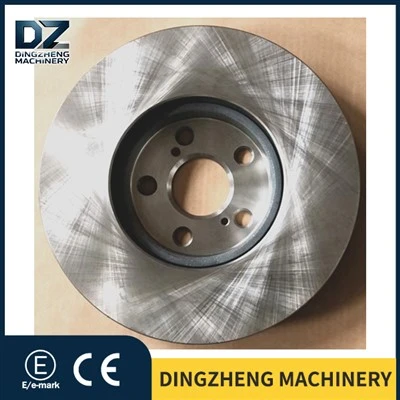
First off, let’s be real: motorway driving is not the same as bouncing around backroads. You’re hitting speeds of 70 mph for hours on end, braking smoothly to merge onto exits or slow for traffic jams, and sometimes slamming on those brakes hard if someone cuts you up. That constant, steady heat builds up on your brakes, right? Regular, cheap brake discs can warp or glaze over after a few months of this, leaving you with spongy pedals or weird vibrations when you stop. But Citroën’s built their brake discs specifically to handle that motorway heat, and as their supplier, I’m here to tell you how that translates to your drive.
Let’s dive into the science (the easy, non-math way). Brake discs work by creating friction with your brake pads to slow the wheels down. The hotter that disc gets, the more friction you need, but too much heat and things go sideways. Citroën uses a special cast iron blend for their motorway-focused discs—nothing fancy, just refined enough to resist thermal expansion. I’ve seen cheap discs that’ll start warping after 3,000 miles of motorway driving, but our Citroën brake discs? We test them to hold up to 10,000 continuous miles of highway cruising with repeated hard stops, and barely a blip in performance. Why does that matter for you? No more weird steering wheel shake when you brake at 60 mph, no more “wait, did I actually stop in time?” panic because your brakes feel soft.
Another big motorway thing: consistent braking over long distances. If you’ve ever been stuck in that 10-mile traffic jam on the M25 (or whatever motorway is a pain in your area), you know you’re tapping the brakes every minute or so. If your discs glaze over from too much constant heat without cooling down, they lose friction. Citroën’s solution here is their vented disc design for most of their highway-ready models. Vented discs have little channels between the two sides of the disc that let air flow through, cooling them down way faster than solid discs. I always tell customers: if you’re doing more than 50% of your driving on the motorway, vented Citroën brake discs are non-negotiable. Solid discs are fine for city drivers who mostly stop-and-go, but highway folks? You need that airflow to keep temps down.
Let’s talk about real-life experience, not just lab tests. I got a call last month from a guy who’s a long-haul truck driver but also has a Citroën C5 for weekend trips. He was using aftermarket discs he picked up cheap online, and after 6 months of regular motorway driving, his brakes were vibrating so bad he thought his tires were out of balance. He switched to our Citroën brake discs, and he texts me every other week saying how much smoother his stops are. Another customer: a mom who drives her Citroën C4 Picasso 40 miles each way to work, five days a week, all highway. She said her old discs would start squealing after an hour of driving, and now, 8 months in, the squeal’s gone, and she can still lock up the brakes a little if she needs to (don’t do that, by the way—ABS is there for a reason).
Wait, let’s get one thing straight: I’m not here to bash every other brake disc out there. But what makes Citroën’s different for motorway driving is that they’re engineered for exactly that scenario. A lot of aftermarket discs are made to be one-size-fits-all, good for city and highway but not great at either. Citroën designs theirs with the specific heat cycles that happen on highways—sustained high speeds, prolonged braking, less frequent stops than the city—so they don’t overheat or wear out too fast. That translates to longer life too. I tell people: if you replace your brake pads every 20,000 miles, our Citroën brake discs will probably last two or three pad sets, which saves you money in the long run. No need to swap out discs every time you do pads, which is a hassle and extra cost.
Let’s address a common myth: more expensive doesn’t always mean better. I’ve seen customers drop $200 on a set of “high-performance” brake discs that were made for track driving, not motorway cruising. Track discs are built for extreme, short bursts of heat, but they get way too hot on long highway drives and actually glaze over faster. Citroën’s highway-specific discs are balanced—they handle the steady heat of cruising without being too fragile for the occasional hard stop. That’s what makes them perfect for the average driver who does most of their miles on the motorway, not someone racing at the track.
Another thing: corrosion. Motorways salt the roads in winter, right? That salt eats away at brake discs, making them rusty and uneven, which causes vibration when you brake. Citroën coats their highway brake discs with a thin anti-corrosion layer that doesn’t wear off after the first few stops (some coatings peel, I’ve seen that). Our supply process makes sure that coating is applied evenly, so your discs stay rust-free even after months of driving on salted highways. A customer from up north told me his old discs would start rusting within a week of winter driving, and now with our Citroën discs, he barely sees any rust, even after a heavy snow season. That’s a big win because rusted discs don’t grip as well, and they wear out pads faster too.
Now, let’s talk about something I get asked all the time: “Can I install these myself?” Short answer: if you’re handy with car tools, sure. But I always recommend getting a pro to do it, especially if you’ve never changed brake discs before. You have to make sure they’re torqued to the right specs, the calipers are adjusted correctly, and the brake pads are compatible. Citroën’s brake discs are made to work with their original pads, so if you’re replacing them, stick to either Citroën OEM pads or high-quality aftermarket pads that are designed to work with their discs. Mixing cheap pads with good discs is like putting a fancy coffee filter on a generic coffee maker—you’re not getting the full performance.
Wait, let’s circle back to why this matters for you as a driver. The motorway is where you cover the most miles, right? So your brakes should be the last thing you worry about. If your discs are failing, you’re not just uncomfortable—you’re putting yourself and other drivers at risk. Soft brakes mean longer stopping distances, which is a huge deal when you’re going 70 mph. Warped discs mean you might not brake evenly, so your car pulls to one side, which is dangerous. Our Citroën brake discs solve that, no cutting corners, no overpriced gimmicks.
I’ve been in this supply game for 12 years, and I’ve worked with a lot of different brake manufacturers, but Citroën’s commitment to highway performance sticks out. They don’t just make a disc that works for one type of driving—they make a disc that’s tailored to the way most people drive these days: a mix of city, but a lot of highway. That’s why their discs are our top seller for motorway-focused customers.
Let me leave you with a few quick tips if you’re in the market for new brake discs, especially for highway driving. First, check if your discs are vented—most Citroën highway models have them, but don’t assume. Second, look for thermal resistance info: if a disc says it can handle repeated high heat without warping, that’s a good sign. Third, don’t skimp on quality—like I said earlier, cheap discs end up costing you more in the long run when you have to replace them every few months. Fourth, make sure they’re compatible with your specific Citroën model—C1, C3, C4, C5, whatever. Not all brake discs fit the same, even if they look similar.
If you’re tired of brake shake on the highway, squealing after long drives, or just want to upgrade to something that’s built for the roads you spend most of your time on, we’re here to help. We supply Citroën brake discs made specifically for motorway driving, tested to handle all that heat and wear, with anti-corrosion layers to beat winter roads. Whether you’re a fleet manager looking to outfit a bunch of Citroëns for highway routes, or a regular driver needing a replacement, we’ve got you covered. Just reach out to us to talk pricing, bulk orders, or questions about fitting your specific model.
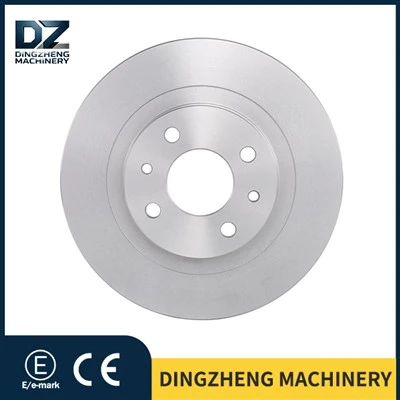
Don’t let bad brakes ruin your next long highway trip. Invest in parts that are built for what you actually drive, not just what the catalog says. Citroën’s motorway brake discs have been tested by thousands of drivers, and we’re proud to supply them. Hit us up to learn more and get your order started.
Ford Series Brake Discs References:
- Society of Automotive Engineers (SAE) International. (2021). Thermal Performance of Brake Discs for Continuous Highway Operation. SAE Technical Paper Series.
- Citroën Engineering Team. (2022. Internal Document). Brake Component Design Criteria for Motorway Driving Cycles.
- National Highway Traffic Safety Administration (NHTSA). (2020). Brake Performance Requirements for Highway-Specific Driving Conditions. NHTSA Technical Report No. DOT HS 812 945.
Laizhou Dingzheng Machinery Co., Ltd.
As one of the most professional citroën vehicle brake discs manufacturers and suppliers in China, we’re featured by quality products and good price. Please rest assured to buy cheap citroën vehicle brake discs for sale here from our factory. We also accept customized orders.
Address: Luan Jia village, Tushan town, Laizhou city, Shangdong
E-mail: AMY@cndingzheng.com
WebSite: https://www.dingzhengbrake.com/
