Hey everyone, thanks for dropping by. I’m Jake, and I’ve been selling wind measuring devices for almost a decade now. Let me tell you—while wind tech has come leaps and bounds, the tools we’ve relied on for decades? They’ve got more flaws than a old wind turbine blade, and I see them every single day with my clients. Whether you’re a wind farm tech, a construction guy, or someone who just needs accurate wind data, if you’re still using the traditional stuff, you’re probably running into headaches you don’t even notice yet. Wind Measuring Devices

First off, let’s talk about reliability. The old cup anemometer—you know, the little three-cup thing that spins around to measure wind speed? Yeah, that’s the workhorse for decades, but here’s the thing: those cups get dirty. Fast. Dust, bird poo, leaves, even bugs—they build up on the cups, and suddenly the spin is off. A 10 mph wind might read 8, or 12, and you don’t even know it. Last month, a wind farm client of mine brought in a cup anemometer that had a nest of wasps inside the cups. Their speed data was so skewed, they’d been adjusting turbine output wrong for six weeks, costing them like $15,000 in lost revenue. That’s not a small number, right? And don’t get me started on wind vanes—those little fins that tell direction. They stick if there’s any buildup, or if the bearing wears out, which it does after a couple years. I’ve had clients replace vanes every 18 months because the bearings rust or get jammed. Compare that to newer devices that don’t have moving parts at all, and you see why the old stuff is a headache.
Then there’s the maintenance hassle. Traditional wind measuring devices aren’t set-it-and-forget-it. You’ve got to climb towers, right? Most of these old sensors are mounted 30, 60, even 100 meters up, so techs have to do regular checks. Climbing a tower in 20 mph wind? That’s dangerous. And every time they go up, they’re paying for labor, plus parts, plus maybe insurance. One of my construction clients told me they spend $2,000 a year just maintaining their four traditional anemometers. That’s money that could go to other projects, or better gear. And the worst part? Even if you do the maintenance right, wear and tear is inevitable. The moving parts—bearings, cups, shafts—they’re just not built to last forever in harsh environments. Salt air near the coast? They corrode. Cold climates with ice? The cups freeze solid, so the sensor stops working entirely. I’ve had a client in Minnesota whose anemometer failed in the middle of a blizzard, and they didn’t find out for three days. By then, they’d already rescheduled a crane lift, costing another $8,000 in delays. That’s the kind of downtime that kills small operations.
Accuracy drift is another big one that most people don’t talk about. Traditional anemometers don’t stay calibrated. Even if you clean them and check the bearings, over time, the spin rate shifts. A cup that’s slightly dented, a bearing that’s a little loose—suddenly your readings are off by 5-10%, and that adds up fast. For wind farms, that means they’re not generating as much power as they could, or they’re stressing turbines too much because they’re miscalculating wind loads. For construction, if you’re planning a bridge or a building, wrong wind data can lead to unsafe designs. Last year, a guy who works on bridge projects told me his team used traditional anemometers for a span in Florida, and the wind load calculations were off by 8%. They had to reinforce parts of the bridge halfway through, which added $200k to the cost. That’s a huge mistake, and all because the old devices can’t hold their accuracy over time.
Wait, let’s not forget environmental factors that mess them up. Cup anemometers don’t work great in low or high wind. In super light winds—like under 2 mph—the cups don’t spin enough to get a reading. So you get no data, or noisy data, which is a problem for things like kite surfing or small wind turbines that rely on light winds. In super high wind—over 100 mph—the cups spin so fast they can actually break. I’ve replaced more cup anemometers than I can count because a gust hit 110 mph and shattered the cups. Newer ultrasonic sensors, on the other hand, measure wind with sound waves, no moving parts, so they work in every wind speed from 0 to 200 mph, no breakage, no stopping. Also, traditional devices are sensitive to rain, humidity, and solar radiation. Heat from the sun can warm the sensor body, leading to wrong temperature readings that mess with wind calculations. Rain can add weight to the cups, slowing them down. All that adds up to data that’s just not reliable enough for modern needs.
And here’s a hidden one: data integration. Traditional wind measuring devices usually output data the old way—analog signals, or serial ports. If you want to plug that into your smart farm system or your construction management software, you need extra adapters, cables, and even software to translate the data. That’s another cost, and another thing that can go wrong. My brother runs a small wind turbine business, and he told me he spent $1,200 just to get his old cup anemometer data to sync with his monitoring app. Ultrasonic sensors, though? They connect to Wi-Fi or cellular right out of the box, so your data goes straight to your phone or computer, no extra gear needed. That’s a huge win for anyone who wants real-time data without the hassle.
Let me be clear—these old devices worked for a long time, right? Before we had smart grids, before small wind turbines for homes, before construction projects that need super precise data, the cup and vane were enough. But now? The stakes are higher. Wind farms are competing on tight margins, construction projects are faster and more efficient, and small businesses need reliable data to make decisions. The traditional tools just can’t keep up.
I see so many clients who stick with the old stuff because that’s what they’ve always used, or it’s cheaper upfront. But here’s the thing: the upfront cost of a traditional anemometer is like $50, but over three years, you’re spending $6,000 on maintenance, repairs, lost revenue, and downtime. A good ultrasonic sensor is $800, and it lasts 10 years with almost no maintenance. That’s a no-brainer, right?
If you’re someone who’s dealing with the headaches I’m talking about—jammed vanes, skewed data, climbing towers in bad weather—you don’t have to keep putting up with it. I’ve helped dozens of clients switch from traditional devices to modern, reliable ones, and they all say it’s one of the best business decisions they’ve made. No more wasp nests clogging cups, no more tower climbs just to check if the sensor is working, no more lost money because of bad data.
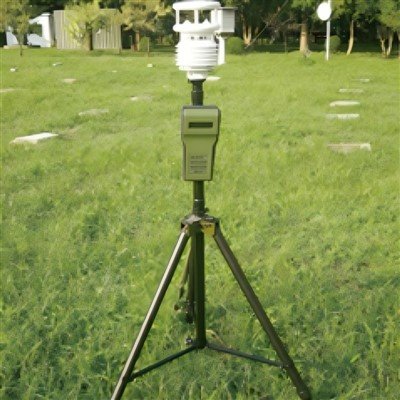
If you’re ready to stop fighting with outdated wind measuring tools and get something that actually works for you, hit me up to chat. We can go over your needs, what kind of data you’re collecting, and find a solution that fits your budget. Let’s make your wind data reliable, no mess, no hassle.
Wind Measuring Devices References
- Engineering Toolbox. "Wind Measurement – Anemometers." 2023.
- American Wind Energy Association. "Wind Sensor Reliability and Maintenance Report." 2022.
- Journal of Atmospheric and Oceanic Technology. "Performance Comparison of Cup Anemometers and Ultrasonic Anemometers in Coastal Environments." 2021.
- Construction Industry Institute. "Wind Data Requirements for High-Rise Construction Projects." 2020.
Tianjin Blooming Technology Ltd.
We are one of the most professional wind measuring devices manufacturers and suppliers in China, also support customized service. With abundant experience, we warmly welcome you to buy durable wind measuring devices for sale here from our factory. For price consultation, contact us.
Address: Main Building, No. 10 Wuhua Road, Huayuan Industrial Zone, Binhai High-tech Zone, Tianjin, China
E-mail: sales@blooming-tech.com
WebSite: https://www.blooming-tech.net/
