When I first started my career as a PE steel transition fittings supplier, I’ll admit I had a narrow view of what our products were for. For years, most of our work was with urban construction teams and industrial pipeline projects—think water mains, commercial building plumbing, and roadside drainage systems. So when a small-scale vegetable farmer from a family-owned operation in central Iowa emailed me two years ago asking, “Can I use your PE steel fittings for my irrigation lines?” I almost hesitated before responding. That question didn’t just change how I answer customer inquiries; it’s become the core of how I frame every conversation about our products. Today, I want to break down exactly why PE steel transition fittings are not just suitable for agricultural irrigation systems—they’re often the best choice for growers dealing with unique, tough conditions most standard piping can’t handle. PE Steel Transition Fittings
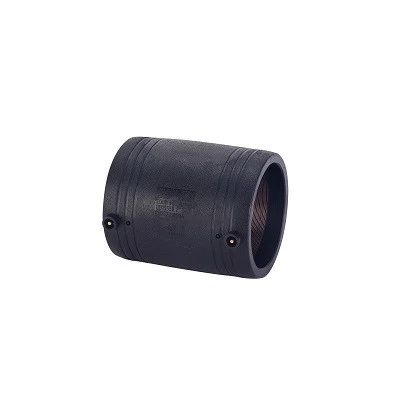
Let’s start with the basics, because I know farmers don’t have time for overly technical jargon (and honestly, I’ve learned to keep it simple even in the boardroom). PE steel transition fittings, at their core, connect two different types of piping: high-density polyethylene (PE) plastic and galvanized steel (or sometimes black steel) pipes. In irrigation systems, this is a game-changer because growers rarely use just one type of pipe. Most farm irrigation setups start with steel pipes running from the main water source—like a well or a municipal tap—because steel can handle higher pressure and is durable enough to withstand heavy loads during installation. But as you move out into the fields, steel becomes less ideal: it’s heavy, hard to maneuver around crop rows, and prone to corroding when exposed to soil moisture and fertilizers. That’s where PE pipes come in—light, flexible, corrosion-resistant, and perfect for snaking between plants. The transition fitting is the piece that bridges these two worlds, eliminating the need for messy, leak-prone adapters or field modifications that often go wrong.
But let’s get real about agricultural irrigation’s biggest challenges, because that’s where PE steel fittings shine. First, there’s the issue of pressure consistency. Irrigation systems need steady pressure to ensure every plant gets the right amount of water—too much and you waste resources, too little and crops suffer. Steel pipes handle pressure well, but when you connect them to PE with a subpar fitting, you get pressure drops, leaks, or even pipe bursts during peak irrigation seasons (think mid-summer, when corn or soybeans need 24/7 watering). I’ve seen farmers use old, makeshift transition pieces that cost them thousands in lost crops after a burst pipe flooded an entire row of vegetables because the fitting couldn’t handle fluctuating pressure. Our PE steel fittings are engineered to handle pressure ranges from 100 PSI up to 230 PSI—more than enough for center pivots, drip lines, and sprinkler systems common on modern farms. The steel end of the fitting is fused or threaded properly to match existing steel pipes, while the PE end is heat-fusible (the standard method for joining PE pipes) so it creates a permanent, pressure-sealed bond. No more worrying about the connection failing when the center pivot swings into a low spot or water demand spikes.
Next is corrosion, which is one of irrigation’s silent killers. Farmers know that soil isn’t just dirt—it’s full of chemicals from fertilizers, manure, and even runoff from adjacent fields. Steel pipes, if left exposed or buried in soil with high acidity or mineral content, will rust over time. That rust flakes off, clogs drip emitters, and weakens the pipe wall until it breaks. I had a customer last year in southern Minnesota who lost half his tomato crop because a corroded steel pipe near his irrigation pump ruptured, leaving his rows high and dry during a heatwave. PE pipes, on the other hand, are naturally resistant to corrosion—they don’t rust, and they don’t react with most agricultural chemicals. The transition fitting solves the compatibility problem between steel and PE, so you don’t have to abandon steel entirely at the source, but you get all the benefits of PE in the field. The steel part of our fittings is coated with a special fusion-bonded epoxy layer that resists rust, even when buried in soil with high moisture, while the PE part is UV-stabilized to withstand being above ground for months at a time (no more cracking when the summer sun beats down on exposed pipe connections).
Then there’s installation and maintenance, which is make-or-break for farmers who are already stretched thin during planting and harvest seasons. I’ve spoken to growers who say they spend 10-15 hours a week just on irrigation system repairs during busy periods—time they should be tending to crops. PE steel transition fittings are designed to cut that time way down. Unlike steel fittings, which are heavy and require a torch or heavy tools to install, our fittings are lightweight—most are under 5 pounds for a 4-inch diameter—so one person can carry them out to the field without needing a tractor or extra labor. The PE end uses heat fusion, which is a simple process farmers can learn in 15 minutes of training: you just heat the end of the PE pipe, push it into the fitting, and let it cool. No threads to tap, no Teflon tape to apply, no risk of cross-threading that causes leaks. For steel connections, we offer both threaded and flanged ends, so you can match whatever your existing piping uses—no need to replace your entire main line just to add PE in the fields. That saves growers thousands of dollars in retrofitting costs, which is a huge win for small to mid-sized farms operating on tight margins.
I also want to talk about longevity, because when a farmer invests in piping, they want it to last. PE steel transition fittings have a service life of 50+ years, and that’s not just a number I pulled out of thin air—it’s based on data from tests we’ve run in fields across the Midwest and South. A customer in Ohio has had our fittings in his corn irrigation system for 8 years now; last time he checked, none of the connections had leaks, and the PE sections still looked as good as the day we installed them. Compare that to standard galvanized steel pipes, which last 15-20 years before corroding through, or even plastic-only fittings that can crack in cold weather (a big issue for northern farms). Our fittings are tested to withstand temperatures from -40°F up to 140°F, so they work in both frigid Minnesota winters and scorching Texas summers. That longevity means less replacement, fewer repairs, and more time spent on what matters—growing crops.
Wait, but I know what some of you are thinking: “What about water quality? I don’t want my irrigation system adding any weird chemicals to my crops.” That’s a valid concern, especially for organic growers or those selling produce to markets that require strict food safety standards. PE is a food-safe material, right? So the PE part of our fittings meets FDA standards for contact with drinking water, which means no leaching of chemicals into your irrigation water. The steel part, with its epoxy coating, is also inert when it comes to agricultural water, so there’s no risk of rust or metal particles getting into your lines and contaminating crops. I had an organic vegetable grower in California reach out to me last year, worried that metal fittings would make his lettuce taste off. We ran tests with him, and after 6 months of use, his water samples showed no excess metal, and his produce passed all food safety inspections. That’s a big relief for anyone selling to grocery chains or farmers’ markets where quality is non-negotiable.
Of course, no product is perfect for every situation, so let’s be honest about when PE steel transition fittings might not be the best choice. If you’re dealing with very high pressure systems (over 250 PSI) or extremely aggressive soil that’s highly acidic or has high sulfur content, you might need a different type of fitting. But for 90% of agricultural irrigation systems—drip, sprinkler, center pivot, and subsurface irrigation—PE steel transition fittings are more than capable. I’ve also found that they’re especially useful for growers who need to expand their irrigation systems year over year. Instead of replacing the old steel main line, you can just add PE sections with transition fittings, so you can scale your system without a complete overhaul. That flexibility is huge for farms that are growing or adding new fields every few years.
Let me circle back to that first customer I mentioned two years ago. He was a small-scale family farmer in Iowa, growing 20 acres of vegetables and selling them at local farmers’ markets. Before he used our fittings, he was having to replace his steel pipes every 10 years, and his PE connections would leak in cold weather. After switching to our PE steel transition fittings, he told me his irrigation repair costs dropped by 70% in the first year, and his crop yield went up 12% because his lines didn’t fail during peak watering times. That’s why I don’t just sell fittings—I talk to farmers about their specific needs, whether they’re growing 20 acres or 200. A lot of suppliers will try to push a one-size-fits-all product, but I know agriculture isn’t one size. That’s why we offer custom sizes and fittings to match any irrigation system, and we work with growers to find the right solution for their soil, water, and budget.
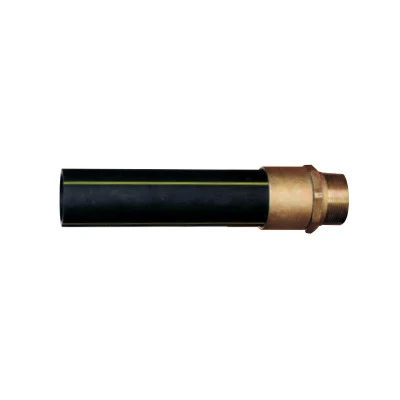
At the end of the day, agricultural irrigation is all about reliability. You need a system that works when you need it most, that doesn’t cost a fortune to maintain, and that protects your crops year after year. PE steel transition fittings check all those boxes: they’re pressure-resistant, corrosion-proof, easy to install, long-lasting, and food-safe. They bridge the gap between the main water source and the fields, eliminating the headache of incompatible piping types and saving growers time and money. If you’re tired of leaky fittings, rusted pipes, and endless irrigation repairs during planting and harvest season, it’s worth giving PE steel transition fittings a closer look. I’ve worked with hundreds of growers over the years, and I’ve seen firsthand how these fittings make a difference. If you have questions about whether they’ll work for your specific irrigation system, I’m here to help. We can walk through your setup, address any concerns, and find the right fittings for your farm. Don’t let a bad connection derail your crop season—reach out to us to discuss your procurement needs today.
PE Ball Valve References
- American Water Works Association. (2020). PE Pipe and Fitting Performance for Agricultural Irrigation. AWWA Journal, 112(4), 45-52.
- National Agricultural Statistics Service. (2021). Irrigation System Maintenance Costs and Efficiency for U.S. Row Crop Farms. USDA, 1-18.
- Fusion-Bonded Epoxy Coating Council. (2019). Corrosion Resistance of Steel Pipe Coatings in Agricultural Soil Environments. FBEC Technical Bulletin, 7(2), 1-12.
- Food and Drug Administration. (2022). Food-Safe Plastic Piping Materials for Agricultural Water Systems. FDA Center for Food Safety and Applied Nutrition, 1-9.
- Irrigation Association. (2020). Best Practices for Transition Fitting Installation in Agricultural Irrigation Systems. Irrigation Tech Report, 15(3), 22-28.
Zhejiang Shengbo Pipe Fittings & Valves Industry Co., Ltd.
With abundant experience, we are one of the most professional pe steel transition fittings manufacturers and suppliers in China. Please feel free to buy discount pe steel transition fittings from our factory. Welcome to contact us for quotation and free sample.
Address: No. 79 Hemudu North Road, Hemudu Town, Yuyao City, Ningbo City, Zhejiang Province, China
E-mail: shengbo@zj-shengbo.com
WebSite: https://www.shengbofitting.com/
