Hey there! I’m a supplier of fully automatic production lines, and today I wanna chat about the software systems used in these amazing setups. Fully Automatic Production Line
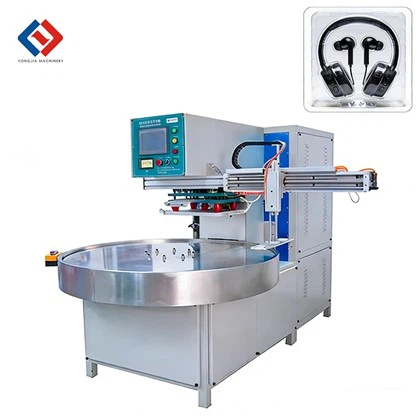
First off, let’s talk about the Programmable Logic Controller (PLC) software. PLCs are the brains of many fully automatic production lines. The software for PLCs allows us to program sequences of operations. It’s like giving a set of instructions to a super – smart robot. You can tell it when to start a machine, how long to run it, and when to stop. For example, in a bottling production line, the PLC software can control the filling process. It’ll make sure each bottle gets the right amount of liquid, and then it’ll move the bottle along the line for capping. The great thing about PLC software is that it’s highly customizable. You can adjust the programs based on different production requirements. Whether you’re producing small batches or large – scale products, the PLC software can be tweaked to fit the bill.
Another crucial software system is the Supervisory Control and Data Acquisition (SCADA) system. SCADA software gives us a bird’s – eye view of the entire production line. It monitors all the processes in real – time. You can see how each machine is performing, check the temperature, pressure, and other important parameters. For instance, in a food processing production line, the SCADA system can keep an eye on the cooking temperature. If the temperature goes out of the desired range, it can send an alert to the operators. This helps in preventing product defects and ensuring quality control. SCADA also allows for remote monitoring. So, even if you’re not physically at the production site, you can still keep tabs on everything through a computer or a mobile device.
Then there’s the Manufacturing Execution System (MES). MES software bridges the gap between the planning and the actual production. It manages all the production – related activities, from scheduling to resource allocation. For example, it can assign tasks to different machines and workers based on the production orders. If there’s a high – priority order, the MES software can adjust the production schedule accordingly. It also tracks the progress of each order, so you always know how far along you are in the production process. This is super useful for meeting deadlines and managing inventory.
Now, let’s touch on the Enterprise Resource Planning (ERP) system. ERP software integrates all the business processes of a company, including production, sales, and finance. In the context of a fully automatic production line, the ERP system can help in forecasting demand. Based on historical data and market trends, it can predict how much of a product needs to be produced. This helps in optimizing the production process and reducing waste. It also manages the supply chain, ensuring that the right raw materials are available at the right time. For example, if a production line needs a certain type of metal for manufacturing, the ERP system can make sure that the metal is ordered and delivered on schedule.
In addition to these main software systems, there are also some specialized software for quality control. Software like Statistical Process Control (SPC) software is used to analyze data from the production process. It can detect patterns and trends in the quality of the products. For example, if there’s a sudden increase in the number of defective products, the SPC software can help identify the root cause. Maybe a machine is malfunctioning, or there’s an issue with the raw materials. By using SPC software, we can take corrective actions quickly and improve the overall quality of the production.
There’s also vision inspection software. This is really cool, especially in industries where product appearance is important. In a smartphone manufacturing production line, for example, the vision inspection software can check the surface of the phones for scratches, dents, or other defects. It uses cameras and advanced algorithms to analyze the images and make a decision on whether a product is acceptable or not.
Now, I know all this software might sound a bit complicated, but that’s where we come in. As a fully automatic production line supplier, we have a team of experts who are well – versed in all these software systems. We can help you choose the right software for your specific production needs. Whether you’re in the automotive, food, or electronics industry, we’ve got the know – how to set up a fully automatic production line with the most suitable software.
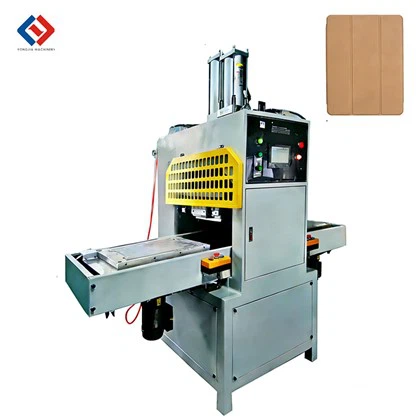
If you’re looking to upgrade your production line or set up a new one, we’re here to assist. Our software systems are not only reliable but also easy to use. We’ll make sure that you can operate your production line smoothly and efficiently. So, if you’re interested in learning more about our fully automatic production lines and the software systems we use, don’t hesitate to reach out. We’d love to have a chat with you about your production requirements and how we can help you take your business to the next level.
Head Foot Operated HF Welding Machine References:
- "Automation in Manufacturing: Principles and Applications" by David A. Dornfeld
- "Industrial Automation: Theory and Practice" by Robert J. Kleyner
Dongguan Yongjia Machinery Equipment Co., Ltd.
We are one of the most reliable fully automatic production line manufacturers and suppliers in China, specialized in providing high quality customized service. Please feel free to wholesale advanced fully automatic production line at low price from our factory. For quotation, contact us now.
Address: No. 240, Chashan South Road, Chashan Town, Dongguan City, Guangdong Province, China
E-mail: info@yjwelding.com
WebSite: https://www.yjhighfrequencymachine.com/
