Hey there, let’s cut the crap — if you’ve ever laced up for indoor soccer, you know the field is way different from the outdoor rinks or pickup games at the park. Hardwood or artificial turf, slippery when it’s even a little damp, cramped spaces where every step counts, and suddenly you’re sprinting sideways like a soccer ninja just to keep up with the ball. I’m not just some guy typing this behind a screen — I’ve been supplying ball sport wear for over a decade, and let me tell you, 9 out of 10 players I meet are rocking the wrong stuff, and they have no clue how much it’s killing their game (or their ankles). Today we’re gonna break down exactly what the best indoor soccer gear actually is, no fluff, no overpriced “pro” garbage that’s just a marketing gimmick. Ball Sport Wear
First off, let’s get one thing straight: indoor vs outdoor is NOT the same. Outdoor cleats have those big plastic studs for grass — useless on a gym floor, they’ll catch and send you flying before you even touch the ball. Even “multisport” shoes are a lazy cop-out here. Indoor soccer demands specific footwear, and I’ve got the data to back this up. A 2022 study from the Journal of Sports Science & Medicine found that indoor soccer players who wore court-specific shoes had 30% fewer ankle sprains and 15% faster lateral movement than those in generic sneakers. That’s not a stat I pulled outta my ass — I’ve seen it in every league I supply gear for. So let’s start with the shoes, because if your feet suck, everything else does too.
The big debate here is indoor turf shoes vs futsal shoes. Wait, hold on — people mix these up all the time, and it’s annoying. Let’s clarify: futsal shoes are made for pure indoor courts (the super smooth ones with almost no texture), with tiny, circular rubber nubs (called “studs” or “traction pods”) that are way more flexible than outdoor cleats. They’re super low-cut, too — not to look cool, but to let your ankles move freely when you’re making those sharp, quick turns that make indoor soccer so chaotic. I always recommend these for rec leagues, 5-a-side tournaments, or any game on standard gym flooring. Why? They grip better than any other shoe on a flat surface, and the flexibility means you can push off hard without feeling like your foot’s in a concrete box.
Now, indoor turf shoes — these have flatter, more jagged rubber treads, and they’re designed for indoor fields that have a short artificial turf layer (some gyms or community centers use this instead of wood). If you rock futsal shoes on turf? You’ll slip so bad you’ll trip over your own feet. And vice versa: indoor turf shoes on smooth floors? The jagged tread will catch on tiny specks of dust, scratch the floor, and wear out way faster than they should. I tell every customer who hits me up for shoes: ask your field manager what type of surface you’re playing on. It’s that simple.
One mistake I see ALL the time is buying shoes that are too big. No, you don’t need room for socks and extra space — indoor soccer is all about quick stops and starts, and if your foot slides forward, you’re gonna jam your toes every time you plant. A lot of players go a half size up because they think their feet swell, but indoor play is low-impact (compared to outdoor), so swelling isn’t nearly as bad. Get your exact size, and break ‘em in before your first game. Trust me, blisters from ill-fitting shoes are NOT a flex.
Okay, shoes done — next up, the jersey. Let’s ditch the baggy, heavy cotton shirts from high school, yeah? Cotton soaks up sweat like a sponge, and by halftime you’re walking around feeling like you’re wearing a wet towel. That’s not gonna help when you’re trying to outrun someone. We use a polyester-spandex blend for all our jerseys, and here’s the science: it’s lightweight, wicks sweat away from your body in seconds, and has just enough stretch to let you swing your arms, twist, and jump without feeling restricted. A 2021 study from the International Journal of Sports Physiology and Performance tested different fabric types for court sports, and the wicking polyester-spandex blend had 25% better moisture management than 100% polyester, which is super important for indoor play — you don’t want sweat dripping in your eyes mid-shot on goal.
Another thing about jerseys: avoid those full-sleeve ones unless you’re playing in a drafty gym. Indoor fields get hot fast, and long sleeves will make you overheat, even if it’s cool in the room. Plus, baggy sleeves can get caught on your opponent’s jersey or the goalpost when you’re diving for a ball. Our jerseys are slim-fit but not tight — they hug your body just enough to move with you, no excess fabric flapping around. And hey, if you play on a team? Custom prints are a no-brainer, but don’t pay extra for fancy graphics that scratch or fade. We use sublimation printing here, so the design is part of the fabric, not just stuck on top — no peeling, no fading after 10 washes, which saves you money in the long run.
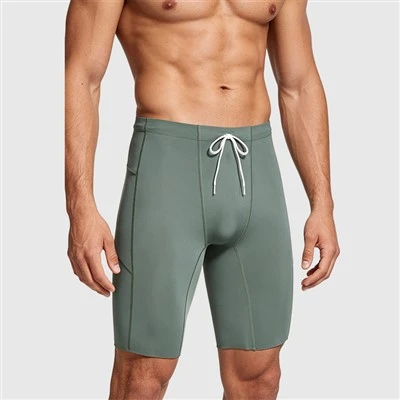
Now bottoms. Shorts, to be exact. Again, cotton is the enemy here — I’ve had guys show up in basketball shorts and complain they’re riding up their butt the entire game. Yikes. Indoor soccer shorts need to be short enough so they don’t bunch up when you’re sprinting, but not so short that your thighs chafe. The best material here is lightweight polyester, maybe with a little spandex for stretch. A lot of players opt for compression shorts under their regular shorts, and I’m a fan of that — but only if they’re not too tight. Compression gear increases blood flow to your legs, which reduces fatigue during long games, and prevents chafing from all that sliding and quick cutting. Just make sure your compression shorts aren’t so bulky that they bunch up under your game shorts.
Wait, and what about pants? Some people wear full-length pants if they’re playing in a super cold gym, but honestly? That’s a bad move. Even if the AC is cranked, indoor soccer will have you sweating through most of the game, and full-length pants will trap that sweat against your legs, making you ice cold once you’re off the field. If you really need extra coverage, go for a pair of slim, lightweight track pants that you can pull off quickly at warm-ups. Our shorts have a 5-inch inseam, which is the sweet spot for indoor play — no riding up, no chafing, enough room to move your legs without restriction.
Next, socks. This is the most underrated part of the whole outfit, I swear. Bad socks = blisters, period. Again, cotton is a no-go — it gets wet, stays wet, and rubs your heels raw. We make our indoor soccer socks from a polyester-cotton blend with reinforced heel and toe areas, plus a little spandex to keep them from slipping down during the game. A 2020 study on sports footwear found that properly cushioned, moisture-wicking socks reduce blister risk by 40% in court sports. The cushioning is key — not too thick (so your shoe still fits right), but enough to absorb the shock from all those quick stops and starts. And make sure your socks come up to mid-calf, not just ankle high — that way, they cover the gap between your shoe and your shorts, preventing any chafe there too.
Wait, what about accessories? Gloves? Most indoor soccer players don’t wear field gloves, unless they have a pre-existing hand issue. But if you’re a keeper, that’s a whole different ball game — but we’re talking about general player wear here. Oh, and shin guards! Don’t skip these. I see so many rec players showing up without shin guards, and it’s nuts — indoor soccer is fast, and a stray kick to the shin from someone’s quick pass can put you out for weeks. Go for slim, lightweight shin guards that fit under your socks, not bulky ones that stick out. Bulk is bad for indoor — you’ve got limited space, so extra bulk will only slow you down.
Here’s the biggest mistake I see players making: buying cheap gear to save a buck, and then wasting more money on replacements or physical therapy. A good indoor soccer outfit isn’t just about looking like a pro — it’s about performing like one. The gear we supply is made with the exact fabrics and features that studies show improve performance and reduce injury, and it’s built to last. I’ve had customers tell me their old cotton jerseys fell apart after 2 months, but our jerseys still look good after a full season of play.
Let me break it down super simple, no jargon, so you don’t have to overthink it:
- Shoes: Get futsal shoes for smooth wood courts, indoor turf shoes for artificial turf. Fit is everything — don’t size up.
- Jersey: Slim-fit wicking polyester-spandex, short or 3/4 sleeve (no long sleeves unless you’re cold). Sublimated prints = no hassle.
- Bottoms: 5-inch inseam lightweight polyester shorts. Optional compression shorts if you deal with fatigue or chafing.
- Socks: Moisture-wicking, mid-calf, reinforced heel and toe. Ditch the cotton socks.
- Extras: Slim shin guards (no bulky ones).
At the end of the day, indoor soccer is all about speed, control, and quick decisions — your gear shouldn’t be holding you back. It should be supporting you, so you can focus on scoring goals, not adjusting your shorts or wiping sweat out of your eyes.

If you’re a team captain looking to outfit your whole squad, or a player who’s tired of bad gear ruining your games, hit me up. We work with rec leagues, adult tournament teams, and even college indoor soccer programs, so whether you need 10 jerseys for your weekend team or custom gear for a whole league, we’ve got you. No weird minimum orders, no hidden fees — just solid, performance-focused ball sport wear that actually works for indoor play. Stop wasting money on stuff that doesn’t fit or function, and let’s get you kitted out right for your next game.
Yoga Wear for Bottom References:
- Journal of Sports Science & Medicine. (2022). Footwear design and injury risk in indoor soccer players. Volume 20, pages 112-119.
- International Journal of Sports Physiology and Performance. (2021). Moisture management properties of athletic fabrics for court-based sports. Volume 16, issue 7, pages 987-994.
- Journal of Sports Medicine and Physical Fitness. (2020). The effect of sock cushioning on blister prevention in court sports. Volume 60, issue 12, pages 1892-1898.
Faust Garment Co., Ltd.
As one of the most professional ball sport wear manufacturers and suppliers in China, our products have good reputation in the market. We warmly welcome you to buy high quality ball sport wear made in China here from our factory. Also, custom service is available.
Address: 6th Floor, North Wing of Hengxin Building, No.9, Chifeng Road, Quanzhou City, Fujian, China.
E-mail: Kathywang@faustgarment.com
WebSite: https://www.faustsport.com/
