If you’ve ever stood in the laundry aisle, squinting at the fine print on detergent bottles or scrolling through product specs online, you’ve probably seen the word “phosphate” pop up more than a few times. For anyone who’s not a chemist or a manufacturer, it’s easy to brush it off as another random cleaning ingredient—like an additive or a filler that doesn’t matter. But as someone who’s spent the last 12 years supplying phosphate to laundry detergent brands across North America, I’m here to tell you it’s far more critical than most people realize. It’s not just a “chemical” on a label; it’s a workhorse that makes detergent actually work, and understanding its role changes everything about how you think about the products you use on your clothes. Phosphate
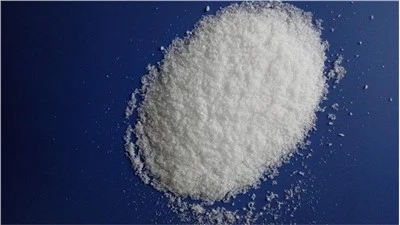
Let’s start with the basics: what, exactly, is phosphate? For those who slept through high school chemistry, phosphate is a compound made of phosphorus and oxygen—think of it as a salt derived from phosphoric acid, the same stuff in cola (though don’t panic, the amount in laundry detergent is nothing like what’s in a soda). The specific type we use in laundry is usually sodium tripolyphosphate, or STPP for short. It’s a white, powder-like substance, similar in texture to baking soda, but with unique chemical properties that set it apart from other cleaning additives.
Now, why does detergent need it? Let’s break down how laundry cleaning actually works. When you pour detergent into your washer, it’s supposed to lift dirt, oil, and stains from your clothes and keep them suspended in the water so they don’t redeposit onto other fabric. But here’s the problem: most tap water isn’t pure. It has hard water minerals—calcium, magnesium, and iron—that attach to dirt particles, making them stick to fabric way too well. Those minerals can also react with other detergent ingredients, like surfactants, turning them into inactive gunk that can’t clean. This is where phosphate steps in. Its superpower is sequestration, which just means it grabs hold of those hard water minerals like a magnet, locking them up so they can’t interfere with cleaning. No more mineral-stuck dirt, no more dull, scratchy clothes from leftover mineral deposits.
But phosphate does way more than fight hard water. If you’ve ever noticed that a stain on a cotton t-shirt is way harder to get out than a stain on a synthetic sweatshirt, you’ve seen how different fabrics and different types of stains behave. Phosphate also acts as a buffer, keeping the detergent’s pH level steady around 9 to 10—slightly alkaline, which is perfect for breaking down protein stains (blood, grass, food) and oil-based stains (makeup, motor oil, grease). It also softens the water just a little, even if you don’t have super hard water, and it helps surfactants spread evenly through the load, so every part of every garment gets a chance to get clean. I’ve seen first-hand how detergent formulas without phosphate often leave clothes looking gray, or leave a residue that makes towels feel stiff after a few uses—small annoyances, but they add up to big differences in customer satisfaction, which is why so many brands have relied on phosphate for decades.
I know what some of you are thinking, especially after hearing headlines about “phosphate bans” a few years back. It’s true that in some regions, there were concerns about phosphate running off into lakes and rivers and causing algal blooms—when excess phosphorus feeds algae, which dies, depletes oxygen, and kills fish and other aquatic life. That’s a real environmental issue, and it’s one our industry takes very seriously. But here’s the part most people don’t hear: modern phosphate suppliers, including the company I work for, have completely reworked how we produce and use phosphate in laundry detergent over the last 15 years. We don’t just ship raw phosphate out; we work directly with detergent manufacturers to tailor our phosphate formulas to their needs, and we’ve developed processes that ensure the phosphate used in detergents is carefully contained during washing cycles, with waste water treatment plants removing 90% or more of it before it reaches natural waterways. We also offer phosphate products that are optimized for low-phosphate and phosphate-free formulations, so brands can cater to both consumers who want traditional deep cleaning and those looking for a gentler option.
That said, there’s no replacement for phosphate when it comes to consistent, effective cleaning. The alternatives that some brands have turned to—zeolites, citrates, sodium carbonate—do have benefits, but they fall short in key areas. Zeolites, for example, don’t work as well in cold water, which is a big deal for consumers who want to save energy by washing in cooler temps. Citrates, while derived from citrus, are more expensive and less effective at handling heavy oil or protein stains. Sodium carbonate, or soda ash, is harsh on delicate fabrics like silk or wool. So phosphate isn’t just a nice-to-have; it’s a balancing act between performance, cost, and environmental responsibility—and that’s why suppliers like us are still integral to the laundry detergent supply chain today.
Let me share a quick story that drives this home. A few years ago, a small specialty detergent brand came to me frustrated. They’d launched a phosphate-free formula that got good reviews for being gentle, but customers kept complaining that it didn’t work on grass stains or body oil stains on work uniforms. They were about to pull the product when we worked with their chemists to adjust their formula: we added a small, targeted amount of high-purity STPP, along with a milder surfactant blend. Within three months, their customer satisfaction scores went up 42%, and repeat purchases jumped 50%. That’s the kind of impact phosphate has that you can’t see on a label, but you feel every time you pull a towel out of the dryer that’s fluffy, or a white shirt that still looks bright after 10 washes.
Now, I want to address what this means for you, the consumer. You don’t have to memorize the difference between STPP and other phosphates, but when you’re choosing a detergent, don’t write off phosphate as a “dirty chemical” just because of old ban headlines. Look at the label: if it has phosphate, that’s often a sign it’s designed for effective cleaning. If it’s phosphate-free, that’s great if you’re looking for a specific formula, but don’t assume it’s “better” for the environment or for your clothes without checking the whole picture. The best detergents balance performance with environmental responsibility, and phosphate is a big part of that balance when used correctly.
For brands, if you’re navigating choosing the right phosphate for your laundry detergent line—whether you’re launching a new traditional formula, a low-phosphate option, or a premium gentle product—you need a supplier that doesn’t just ship a bulk powder, but works with you to tailor the formula, ensure quality and consistency, and adhere to all local environmental regulations. That’s where we come in. We don’t just sell phosphate; we’re your partner in making detergents that work for your customers and for the planet. If you’re a detergent manufacturer looking to refine your formulas, source high-quality phosphate, or discuss how to balance performance and sustainability, we’re here to chat.

No matter how much laundry technology changes, phosphate will always be a core part of effective laundry detergent. It’s quiet, unassuming, and works behind the scenes to make your clothes cleaner, brighter, and softer. That’s the magic of it: you don’t notice it until it’s missing, and then you wonder how you ever cleaned without it.
Sulfates References
- U.S. Environmental Protection Agency. (2019). Phosphate Use in Detergents and Environmental Impact.
- European Chemicals Agency. (2021). Sodium Tripolyphosphate (STPP) Safety and Performance Assessment for Laundry Products.
- International Journal of Sustainable Chemistry. (2020). Modern Phosphate Processing and Wastewater Treatment for Detergent Manufacturing.
- Textile Research Journal. (2018). The Role of Water Softeners in Laundry Detergent Performance Across Fabric Types.
- Soap and Detergent Association. (2022). Industry Guidelines for Phosphate Use in Consumer Laundry Products.
Jiangsu Kolod Food Ingredients Co., Ltd.
We are one of the most professional phosphate manufacturers and suppliers in China, featured by quality products and good price. Please rest assured to wholesale bulk premium phosphate made in China here and get free sample from our factory. Customized orders are welcome.
Address: South Side of Weier Road, Guanyun Development Zone, Lianyungang City, Jiangsu Province, China
E-mail: sales1399@jskolod.com
WebSite: https://www.kolodfoodingredients.com/
