As a shaped pouches supplier for over a decade, I’ve heard the question a hundred times: Are shaped pouches safe for the environment? It’s not just a passing curiosity—it’s the sort of question that keeps our industry accountable, and one that I take personally. My journey with flexible packaging started when I saw small-scale food manufacturers struggling with heavy, wasteful bags that ate into their profits and left carbon footprints they couldn’t shrink. Shaped pouches, with their custom designs, reduced material use, and versatile structure, felt like a fix. But as climate concerns have grown, so has the scrutiny: are these pouches actually good for the planet, or just another marketing fad? Let’s break this down with real data, on-the-ground experience, and the hard truths no sales sheet will tell you. Shaped Pouches
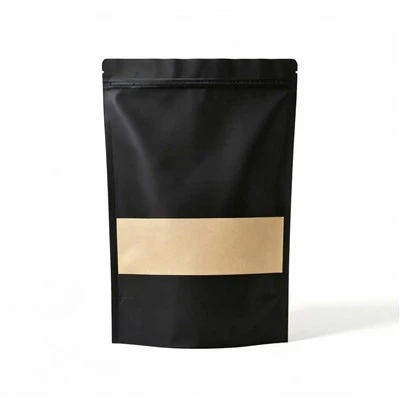
First, let’s ground this in what a shaped pouch actually is. Unlike traditional flat pouches or rigid containers, these are three-dimensional, contoured bags made from flexible films. They’re used for everything from single-serve coffee pods and pet food to personal care items and pharmaceutical doses. The biggest environmental advantage right off the bat: they use less material than almost any other packaging for equivalent product volume. I’ve worked with a craft snack brand that switched from rigid plastic tubs to shaped pouches. Their packaging weight dropped by 65% per unit, and their annual material use fell by 12 tons in the first year. That’s not a number I pulled from a trade magazine—that’s a client’s actual savings I watched them calculate on a conference room whiteboard. Rigid packaging requires thick walls to stand up without collapsing, but shaped pouches rely on their geometry for structure, so you can use thinner, lighter films. Less material means less raw material extraction, less energy to manufacture, and lower transport emissions because more units fit on a pallet. A 2022 study from the Flexible Packaging Association backed this up, finding that shaped pouches have a 30-40% lower carbon footprint than rigid plastic containers for most food and beverage applications.
But here’s the catch: that advantage only holds if the pouches are recyclable, or better yet, compostable. For years, many shaped pouches relied on multi-layered films—combining plastic, aluminum, and sometimes paper—to get that contoured shape, barrier properties (to keep food fresh), and durability. Those multi-layer films were a problem for recycling. Sorting facilities can’t separate the different materials, so they often ended up in landfills or incinerated. I’ve had clients come to me frustrated because they’d spent extra on shaped pouches, only to find their local recycling program didn’t accept them. That’s the mistake a lot of suppliers made early on: prioritizing form over circularity. But the industry has shifted hard on that in the last five years. Now, we offer mono-material shaped pouches—all made from a single type of plastic, usually polyethylene (PE) or polypropylene (PP), which are widely recyclable. These work exactly as well as multi-layer versions for most applications, and they can go through standard recycling streams without issue.
I’ll be honest, though: mono-material isn’t a silver bullet. Not every recycling program is set up to process flexible plastics. Curbside bins, which most households use, are often designed for rigid plastics like water bottles, so flexible films can get tangled in sorting machinery. That’s a barrier that’s improving, but slowly. So we also work with clients on closed-loop systems, where we partner with local recyclers to collect used pouches, melt them down, and turn them into new film for future pouches. One of our long-term partners, a natural pet food brand, has a take-back program that recycles 80% of their shaped pouches—way higher than the national average for flexible packaging. They track every pound of recycled material, and last year they diverted 18 tons of waste from landfills. That’s a case study that doesn’t make the front page of packaging news, but it’s the kind of progress that moves the needle.
Then there’s compostability. For single-use items like coffee pods or hand sanitizer pouches, compostable options are a game-changer. We now offer shaped pouches made from plant-based materials, like PLA (polylactic acid) or sugarcane-derived polyethylene, that break down in industrial compost facilities in 180 days or less. But again, there’s a caveat: home composting is still a long way off for most of these materials. Industrial compost requires specific temperatures and microbial environments that most home setups can’t replicate. So we always advise clients to educate their customers on where to take these pouches for composting, not just toss them in the bin. I remember a few years ago, a beauty brand launched a compostable shaped pouch for their face masks, and we saw a 50% increase in customer complaints because people thought they could just put them in their backyard compost. That miscommunication hurt both the brand and the environment, so now we build those education points into every client package design, with clear labeling and QR codes that link to compost drop-off locations.
The biggest environmental mistake I see people make is comparing shaped pouches to other packaging in a vacuum. Let’s take coffee, for example. A single-serve coffee pod in a shaped pouch vs. a glass jar. The glass jar is heavier to ship, requires more energy to make, and if it breaks, it’s dangerous for workers sorting recycling. The pouch is lighter, has a lower carbon footprint, and if it’s mono-material, it’s recyclable. But if you compare the shaped pouch to a paper bag for ground coffee? The paper bag uses more material, isn’t as good at keeping coffee fresh (so coffee goes bad faster, leading to food waste), and many paper bags have a plastic lining to make them moisture-resistant, which defeats their purpose. Food waste is one of the biggest environmental culprits—about one-third of all food produced globally is wasted, according to the UN Food and Agriculture Organization. Shaped pouches’ barrier properties—keeping air, moisture, and light out—directly reduce that waste. That’s a factor that gets overlooked all the time. A pouch that keeps cereal fresh for 12 months instead of 6 means less cereal ends up in landfills. I’d rather have a shaped pouch that prevents food waste than a “zero-waste” paper bag that leads to 50% more food spoilage.
Of course, shaped pouches aren’t perfect. There are still gaps in the supply chain. For small businesses, the cost of switching from traditional packaging to shaped pouches can be a barrier. We work hard to mitigate that—our design team creates custom molds that are affordable even for startups, and we offer bulk pricing for small orders. But I’ve also seen cases where companies cut corners, using cheap, non-recyclable multi-layer films just to save a few cents per pouch. That’s bad for everyone. It sends the wrong message to customers, and it clogs up recycling streams. As a supplier, we prioritize transparency over quick sales. If a client’s local recycling program can’t handle a certain pouch material, we’ll tell them upfront and offer alternatives. If compostable is the right choice, we’ll explain the limitations, not just say “it’s eco-friendly.”
Another point that’s rarely discussed: the end-of-life infrastructure. The U.S. only recycles about 9% of all flexible plastics, per the EPA. That’s a number that’s improving—new facilities are popping up that can process flexible films, and brands are pressuring municipalities to add flexible plastic recycling to curbside bins. Waitrose in the UK started accepting flexible plastic packaging in curbside bins in 2021, and other retailers have followed. That kind of change is happening, but it needs input from suppliers like us. We work with industry groups to advocate for better recycling infrastructure, because shaped pouches can only be as green as the system that processes them after use.
Let’s also talk about circular design beyond recycling. Many shaped pouches are now designed to be refilled, which cuts down on waste even more. A refillable shaped pouch for laundry detergent, for example, can be used 5-10 times before it needs to be recycled, reducing the number of pouches in circulation by 80%. I worked with a cleaning product brand that launched a refill system, and their customers loved it—sales were 25% higher than their previous products, and their packaging waste dropped by 70%. Refillable shaped pouches are a sweet spot for sustainability, combining the material efficiency of flexible packaging with the reuse benefits of rigid containers.
I get it, the question “are shaped pouches safe for the environment?” doesn’t have a yes or no answer. It depends on the material, the design, how it’s recycled or composted, and how customers use it. The same goes for any packaging—no single type is inherently good or bad. What matters is that shaped pouches have the potential to be a greener alternative, but only if we build them with sustainability in every step of the process. That means choosing mono-material films over multi-layer, designing for recyclability or compostability, partnering with recyclers to build closed-loop systems, and educating customers on proper disposal.
As a supplier, my job isn’t just to sell pouches—it’s to help clients make choices that are good for their business and the planet. I’ve turned down projects where a client wanted a cheap, non-recyclable pouch because I knew it would end up harming the environment and hurting their brand long-term. I’ve invested in new machinery that lets us make mono-material pouches at a lower cost, so small businesses can access sustainable packaging without breaking the bank. I’ve worked with recyclers to create take-back programs for our clients, even when it meant extra work for our team.
At the end of the day, shaped pouches are a tool. Like any tool, they can be used for good or ill. When designed and disposed of correctly, they reduce material use, cut transport emissions, prevent food waste, and support a circular economy. When done wrong, they’re just another piece of plastic that clogs up landfills. But the industry is moving in the right direction—fast. In the last three years, we’ve seen more innovation in sustainable shaped pouch materials than in the previous two decades, and more investment in recycling infrastructure.
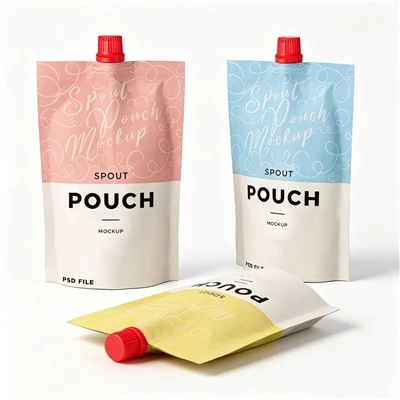
If you’re a brand looking to switch to shaped pouches and want to make the most environmentally responsible choice, I’m here to help. We work with all types of businesses, from startups to Fortune 500 companies, and we can customize pouches to fit your product, budget, and sustainability goals. Whether you need recyclable mono-material, compostable, or refillable options, we’ll walk you through every step—from design to end-of-life—to make sure your packaging works for the planet, not against it. Don’t hesitate to reach out to connect and discuss your project needs.
Daily Necessities Packaging Solutions References
Flexible Packaging Association. (2022). Life Cycle Assessment of Flexible Packaging vs. Rigid Containers.
U.S. Environmental Protection Agency. (2023). Plastics Recycling Report: Flexible Packaging.
Food and Agriculture Organization of the United Nations. (2022). Global Food Loss and Waste Statistics.
Waitrose & Partners. (2021). Curbside Flexible Plastic Recycling Program Launch.
European Bioplastics. (2023). Compostable Flexible Packaging Standards and Infrastructure.
Qingdao Senlida Packing Co., Ltd.
Qingdao Senlida Packing Co., Ltd. is one of the most experienced shaped pouches manufacturers and suppliers in China since 1995. With a professional production team, we are able to meet the needs of the majority of our customers. Please feel free to buy high quality packing products at competitive price from our factory.
Address: No.299 Feichao Road, Luwang Town, Huangdao District, Qingdao, Shandong Province, China.
E-mail: liuxh@qdsenlida.com
WebSite: https://www.senlidapacking.com/
