If you’ve ever worked in mineral processing, wastewater treatment, or even food and beverage manufacturing, odds are you’ve encountered a ceramic disc filter—even if you didn’t know it by name. I’ve been supplying these filters for over a decade, and one question I get asked more than any other isn’t “How much is it?” It’s “How does it actually work?” Most folks assume it’s just a fancy sieve, and while sieving is part of the process, there’s a whole lot of science under the hood that makes these filters work better than almost any other option for thick, high-solid slurries. Today, I’m pulling back the curtain on that science, breaking it down in plain terms anyone can grasp. Ceramic Disc Filter
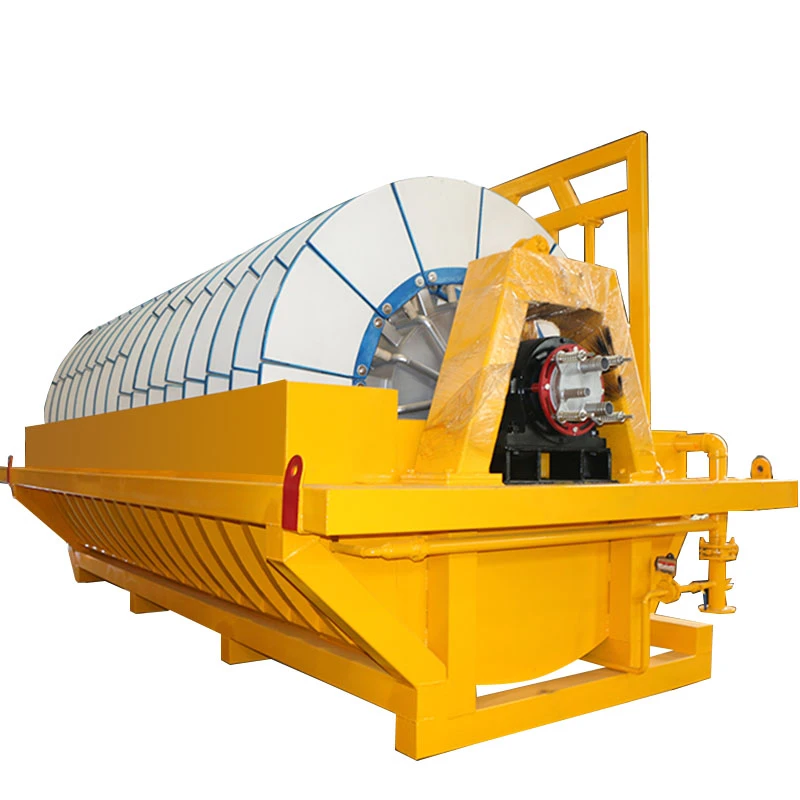
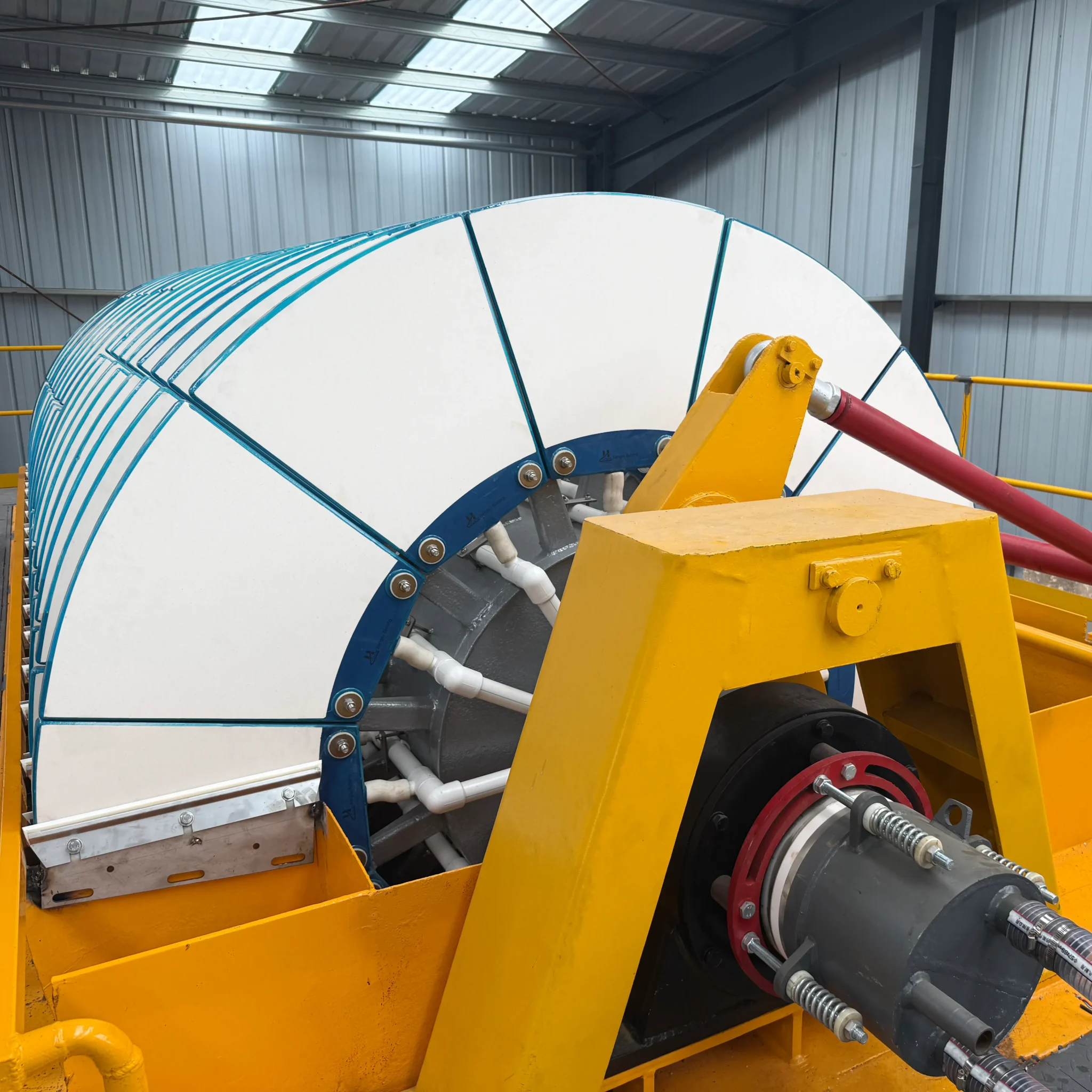
Let’s start with what ceramic disc filters actually are, because naming them makes the rest of this make sense. Each unit isn’t a single flat disk, but a stack of porous ceramic discs (usually made from alumina, a tough, heat-resistant ceramic material) mounted on a central hollow shaft. The discs are spaced just a few millimeters apart, and the entire stack sits inside a closed vacuum vat that’s filled with the slurry you need to filter—think iron ore concentrate, copper tailings, municipal wastewater biosolids, or even fine grain for coffee processing. When a client first looks at one in action, the part that blows their mind is that it doesn’t look like a filter operating like a press or a belt; it’s rotating, gently submerged in muck, and spitting out dry cake in minutes.
That rotation isn’t just for show. It’s tied directly to the core mechanism: vacuum-assisted filtration. Here’s how that works, step by step, like watching it in slow motion on a production floor. First, before the discs even dip into the slurry, the system pulls a vacuum through the central shaft and the tiny pores in each ceramic disc. Those pores are key—they’re not random holes, etched with precision to be uniform in size (usually 1 to 10 microns, depending on the application) so they let liquid pass through but trap solid particles. Think of them as a gatekeeper: too small, and liquid can’t move; too big, and solids slip through. Alumina is perfect because it’s rigid enough that the pores don’t warp or clog easily, even with repeated use on abrasive slurries.
When the rotating disc dips 30 to 40% into the slurry, the vacuum pulls the liquid through the disc pores, while the solid particles are deposited in a thin, even layer (called a “cake”) on the outer surface of the disc. The thickness of this cake is controlled by how long the disc stays submerged, which is adjusted based on the slurry’s solid content. For example, if you’re filtering high-density iron ore slurry, you might submerge the disc a little longer to build up a thicker, drier cake; for finer, lighter material like diatomaceous earth, a shorter submersion works better.
As the disc rotates out of the slurry, that cake layer is still stuck to the disc, and the vacuum keeps pulling any remaining liquid from the cake. This is called “cake dewatering,” and it’s where ceramic disc filters beat other filter types hands down. A lot of clients I work with used to use belt filters, which leave cakes with 15-20% moisture; our ceramic filters get that down to 8-12% moisture, which cuts down on disposal costs, reduces transportation weight for concentrate, and even saves on energy for downstream drying steps. The porous ceramic doesn’t compress like fabric filters or filter cloths, so the cake stays open and allows more liquid to escape instead of being squeezed out unevenly.
Now, the part everyone asks: how do you get the dry cake off the disc? You don’t scrape it off with a dull blade, that’s for sure. On the next segment of the disc, just before it rotates back into the slurry, the system switches from vacuum to a tiny blast of compressed air (usually 50-100 psi, depending on the cake type) through the central shaft. That air pushes through the pores in the disc, and the entire dry cake layer lifts off in a thin, even sheet. It falls into a chute below the filter, ready for collection or further processing. The clean disc is then ready to dip back into the slurry, starting the cycle all over again. The whole cycle takes just 10 to 60 seconds, depending on the application, which means these filters run 24/7 with very little downtime for basic maintenance.
But wait—what about clogging? Because that’s the biggest headache any filtration system faces, especially with fine, abrasive solids. I’ve had clients call me in a panic, saying their filter is running slow or letting solids pass through, and 9 times out of 10, it’s a clogged disc. Here’s where the science of ceramic discs shines. The alumina material is chemically inert, so it doesn’t react with most acids, bases, or corrosive slurries, which means it doesn’t break down and shed particles that could clog pores. Also, the pores are sized to prevent “blinding”—when fine solids get stuck deep in the pores and can’t be removed. That compressed air blast I mentioned earlier? It’s not just for removing the cake; it also does a quick backflush, pushing any stray solids out of the pores before they can get stuck. For really stubborn slurries, we can even add a periodic reverse water flush every few hours, which helps keep the pores open for years of use.
I always tell clients that the biggest advantage of ceramic disc filters over other types is their consistency. Every disc is manufactured to exact pore size and porosity, so you don’t get uneven filtration across the stack like you do with cloth filters that wear out and stretch after a few months. I had a copper mining client last year who was using filter presses that required changing cloths every 2 weeks, costing them thousands in downtime and replacement parts. When they switched to our ceramic discs, they went 3 years without replacing a single disc. That’s the kind of ROI that sticks with people.
Of course, no filter is perfect, and it’s important to be transparent about when a ceramic disc filter is the right fit (and when it’s not). They work best for slurries with consistent solid sizes, between 1 micron and 1mm. If you’re filtering really large chunks, a belt filter might be cheaper upfront, but you’ll end up paying more in moisture disposal. For slurries with a lot of very fine, colloidal solids (like some clays), we recommend pairing the ceramic disc filter with a pre-coat of diatomaceous earth, which creates a stable, open cake layer that’s easy to dewater. We walk every client through that step by step, no pressure, because building long-term relationships is more important to me than a one-time sale.
If you’ve been dealing with filtration headaches—high moisture content, frequent downtime, clogged filters that cost you time and money—reach out to my team to talk through your project. We’ve worked with mines, wastewater treatment plants, food processors, and more, and we can help you size the right filter for your slurry, adjust the cycle to get the exact moisture content you need, and even provide ongoing maintenance support to keep your filter running at peak efficiency for years. Don’t waste another penny on filters that don’t deliver the results you need.
Ceramic Disc Filter When researching filtration equipment, it’s always a good idea to look for peer-reviewed data and industry resources to back up claims. For more detailed information on ceramic filtration technology, you can reference standard textbooks on solid-liquid separation, as well as industry publications focused on mineral processing and wastewater treatment processes. These sources provide in-depth data on pore size optimization, vacuum efficiency, and long-term performance metrics that can help you make an informed decision for your operation.
Shandong Zhongyu Industrial Control Technology Co., Ltd.
As one of the most professional ceramic disc filter manufacturers and suppliers in China, we have world-leading production equipment and strong manufacturing capabilities. Please rest assured to buy customized ceramic disc filter at competitive price from our factory.
Address: 1-2408, Building B, Huanqi Building, No.165 Xincun West Road, Mashang Street, Zhangdian District, Zibo City, Shandong Province
E-mail: Dave@sdzygk.com
WebSite: https://www.ceramicdiscfilter-zy.com/
