If you’ve ever stood in a food packing facility at 2 a.m., watching a tired team of workers folding bags, weighing snacks by hand, and taping boxes shut, you know how frustrating manual packing can get. That’s where I come in – I’m part of a team that supplies food automatic packing machines, and one question we hear all the time is this: how does these machines’ packing efficiency stack up against what humans can do? It’s not just a random “which is better” question, either – efficiency here means speed, accuracy, product waste reduction, and even consistent quality, all rolled into one. Let’s break this down like we would over a coffee with a client, no stuffy industry jargon, just real numbers and real use cases. Food Automatic Packing Machine
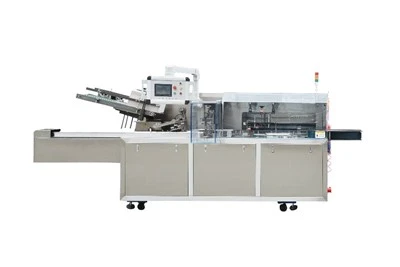
First, let’s define packing efficiency in plain terms because so many people throw this word around without explaining what it actually means for a food business. For us, efficiency isn’t just “how many packages get done in an hour.” It’s: 1) Speed – how many finished, sealed, labeled packages you can put out in a set time, 2) Accuracy – how often the machine or person gets the right weight, correct packaging type, and proper sealing (no open bags that spoil product later), 3) Waste reduction – how much food gets tossed because of human error (like spilling chips during manual pouring) or bad seals, and 4) Labor consistency – humans get tired, distracted, or take breaks; machines don’t, as long as they’re maintained. That last part is a game-changer most small business owners don’t account for until they’ve lost a batch of snacks because a worker dozed off while taping boxes.
Let’s start with speed, since that’s the most obvious difference. A skilled manual packer, someone who’s done the same job for 5+ years, can usually wrap 15-20 small snack bags (think single-serve pretzels or granola bars) per minute. Wait, – 20 per minute – that’s 1,200 per hour, right? Yeah, that sounds fast on paper, but let’s be real: by their third hour, they’re slowing down. A 2023 study from the Institute of Food Technologists (IFT) found that manual packer speed drops by 25% after 4 hours of continuous work, and by 6 hours, it’s down 40% because of hand fatigue and focus drift. Add in 30-minute lunch breaks, two 15-minute rest breaks, and downtime to fix a torn bag or grab a new roll of packaging, and that same worker is only putting out 800-900 good packages an hour after a full shift.
Now, our food automatic packing machines? We’re talking 60-120 small snack bags per minute, consistently, no breaks, no fatigue. For a medium-sized bakery that wraps 5,000 muffin packs a day, that means a single automatic machine does that in less than 2 hours, whereas manual would take a full day of two workers. For bulk items, like 5-pound bags of rice or flour, manual packers can wrap 4-6 per minute; our machines do 12-18. That’s not just “faster” – that’s a 200-300% speed jump, and it doesn’t require you to pay overtime or deal with call-ins when a worker is sick. I once had a client who runs a craft popcorn brand tell me they used to need 8 manual packers to hit their holiday order deadline; after adding two of our automatic machines, they only needed one part-time supervisor, and they finished the same order 3 days early. That’s money saved that went straight to their bottom line – no more paying people to stand around when the order is urgent.
Next up: accuracy. This is where packing efficiency turns into a make-or-break thing for food businesses. Let’s talk about two big accuracy issues with manual packing: weight and seal integrity. For single-serve food items, most countries have strict regulations on net weight – you can’t have a bag labeled “1 oz of chips” that’s only 0.8 oz, because that’s false advertising and can get you fined. Manual packers, even the best ones, have a 5-8% error rate for weight, per a 2022 USDA small business food safety report. That means for every 100 bags you pack, 5-8 are over or under the weight – over, and you’re giving away free product; under, and you’re risking a regulatory fine. Also, manual seals: when a worker uses a hand sealer or a bag clip, about 10-15% of seals are weak or improperly done, per that same IFT study. A bad seal means air gets in, moisture gets in, and your product spoils 2-3 times faster than it should. For a company that sells fresh roasted nuts, that’s a huge waste – if 10% of your bags go bad before they hit the store, you’re throwing away thousands of dollars every month.
Our food automatic packing machines? They use load cells and precision sensors that get weight within 0.1% of the target – so almost zero weight error. For seals, they use heated rollers that press the bag completely shut every single time, no uneven edges, no missed spots. We track this data for our clients, too: a frozen veggie producer we work with found that after switching, their weight error rate dropped from 7% to 0.2%, and seal failure went from 12% to less than 1%. That means way less product being tossed, way less risk of fines, and way more happy customers who don’t get stale chips or underweight bags. One thing I hear small business owners worry about is: “what if the machine breaks?” Sure, but a quick maintenance check (which we teach clients to do in 10 minutes a day) prevents most issues, and even if there’s a breakdown, it’s way less downtime than if 8 manual workers quit all at once or get sick during a peak season.
Then there’s waste reduction, which ties into both speed and accuracy. Food waste is a huge problem in the U.S. – the EPA says 30% of all food produced here gets wasted before it even reaches the consumer. Manual packing contributes to that in two big ways: spillage and mispacking. A 2021 study from the National Restaurant Association found that manual packers spill an average of 2-5% of food product every hour – think of a worker pouring cereal into a box and missing, or dropping a cookie on the floor. That’s product you can’t sell, so you have to toss it. Mispacking, like putting a chocolate bar into a bag meant for a granola bar, or labeling the wrong expiration date, also adds to waste – especially if the mistake isn’t caught until the product is already on store shelves.
Our automatic machines? They’re calibrated to place every exact portion of product, no spills, no drops. They also have built-in cameras that check for mislabeling, wrong product, or damaged packaging before it leaves the machine. A craft candy client we worked with used to throw away $1,200 worth of candy a month from manual spillage and mispacking; after adding one of our machines, that waste dropped to less than $100 a month. That’s a $13,000 annual savings, which is way more than the cost of the machine in most cases – especially when you factor in labor costs. Speaking of labor, that’s a big one for small businesses: the average wage for a manual food packer in the U.S. is about $15 an hour, plus benefits, which adds up to $30,000-$35,000 a year per worker. If you can replace 3 manual workers with one automatic machine (and a part-time supervisor), that’s $60,000-$70,000 in labor savings a year. For a small bakery or snack brand, that’s the difference between staying small and expanding to a second location.
Wait, but let’s not pretend manual packing has no benefits, because it does. If you’re a tiny startup with 100 orders a day, you might not need an automatic machine – the cost of the machine would take years to pay off, and manual is fine for low volume. Also, some specialty products, like custom-shaped cakes or hand-decorated cookies, still need manual packing because you can’t automate that kind of detail work. But if you’re doing 1,000+ orders a day, or if you’re dealing with perishable products that go bad fast, automatic machines are the way to go. I’ve had startup owners come to me saying “I can’t afford that machine” – and we always break down the numbers with them. For example: if you’re a popcorn brand doing 5,000 bags a day, manual labor would cost you about $1,500 a week for two workers, plus $500 a week in wasted product. Our machine costs $80 a week to maintain and run (electricity + minor parts), and waste drops to almost zero. So within 6 months, you’ve saved enough to pay off most of the machine, and after that, it’s pure savings.
Another thing most people don’t talk about: consistency. Your customers don’t care if a worker was tired at the end of the shift – they want every bag of chips to taste the same, every box of cereal to have the same amount, every seal to hold. Manual packing is inconsistent: one worker might pack bags a little tighter, another might leave a gap, some might label wrong after a long day. Automatic machines are programmed to do the exact same thing, every single time, 24/7. That means your brand stays consistent, which builds customer loyalty. I had a client who sold artisanal ice cream sandwiches – when they did manual packing, customers would complain that some sandwiches were too crumbly, some had too much ice cream, and some were mislabeled with the wrong flavor. After switching to our automatic machine, those complaints dropped by 85%, and their repeat customers went up by 20%. That’s not just efficiency – that’s brand growth.
Now, let’s be real: there are myths out there about automatic packing machines. Some people say “they’re too complicated, I’ll need a team of engineers to fix them.” No, we design our machines with small business owners in mind – we have a 15-minute daily maintenance routine, and our team is on call 7 days a week to help with any issues, no matter how small. Others say “they’re too expensive for a startup.” We have flexible payment plans, and we can size the machine to your exact needs – you don’t need a huge industrial machine if you’re doing 1,000 orders a day. We’ve worked with startups out of garages to big food manufacturers, so we don’t do one-size-fits-all.
At the end of the day, packing efficiency for a food business is all about two things: keeping your costs down and your customers happy. Manual packing works if you’re tiny, but as soon as your order volume grows, the numbers don’t lie: automatic machines are faster, more accurate, reduce waste, save on labor, and keep your brand consistent. I’ve seen too many businesses get stuck in a cycle of manual packing – wasting product, dealing with labor shortages, losing money on fines – because they didn’t realize switching to an automatic machine could fix most of those problems.
If you’re a food business owner wondering if an automatic packing machine makes sense for you, don’t guess at the numbers – reach out to us. We’ll walk you through your current packing process, calculate how much you’re wasting, how much you’re spending on labor, and show you exactly how quickly a machine would pay for itself. No sales pitch, no pressure, just straight numbers that apply to your business. Whether you’re a startup with a few hundred orders a day or a mid-sized brand looking to expand, we’ve got a machine that fits your needs.
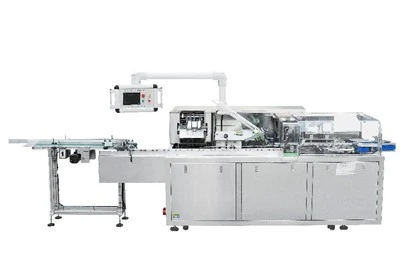
You don’t have to keep dealing with tired workers, spilled product, and customer complaints. Let’s talk about how an automatic packing machine can make your business run smoother, save you money, and keep your customers coming back.
Automatic Bagging Machine References
- Institute of Food Technologists. (2023). Labor fatigue and packing efficiency in manual food processing operations.
- U.S. Department of Agriculture. (2022). Small Food Business Safety and Net Weight Error Rates.
- National Restaurant Association. (2021). Food Waste Reduction in Manual Packing Environments.
- U.S. Environmental Protection Agency. (2021). National Food Waste Baseline Report.
Zhejiang Tuoyu Packaging Machinery Co., Ltd.
Zhejiang Tuoyu Packaging Machinery Co., Ltd. is one of the most professional food automatic packing machine manufacturers and suppliers in China. With abundant experience, we warmly welcome you to wholesale durable food automatic packing machine made in China here from our factory. Good service and quality products are available.
Address: Workshop No.12, No.11-19, Xinbin Road, Binhai New Area, Pingyang County, Wenzhou City
E-mail: 15868789201@163.com
WebSite: https://www.tuoyupack.com/
