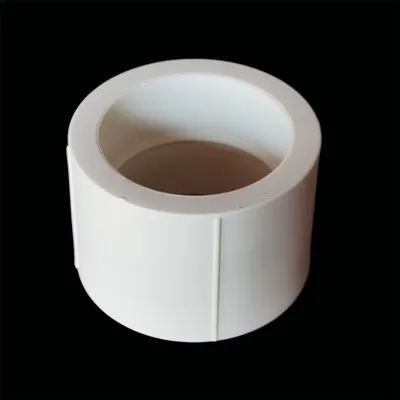
If you’ve ever stood in line at a hardware store next to a homeowner panicking over their burst garden hose in winter, or watched a construction team measure pipe cuts twice because the weather had shifted mid-morning, you’ve probably wondered: how much do temperature changes actually impact the plastic pipes running through our homes, offices, and commercial buildings? As a PPR water pipe supplier, I get this question at least a dozen times a week—from residential plumbers installing new bathroom systems to commercial contractors specifying full building plumbing lines. It’s not a trivial question, either; PPR (polypropylene random copolymer) pipes are the go-to choice for cold and hot water systems in most of the world right now, precisely because they’re durable, low-cost, and easy to install. But temperature swings are the biggest variable for any piping material, and the answers aren’t as black and white as you might think. PPR Water Pipe

Let’s start with the basics: what PPR is, for anyone who’s not deep in plumbing supplies. PPR is a type of thermoplastic polymer, made by combining propylene monomers in a random sequence during manufacturing, which gives it a different molecular structure than older plastics like PVC or CPVC. That random arrangement is what makes it flexible and resistant to cracking under pressure, even in extreme temperatures, but it’s also what makes it expand and contract at a different rate than metal pipes like copper or steel. That’s the core of the temperature question. Every material has a coefficient of thermal expansion, a standard measurement of how much it changes in length or volume when its temperature shifts by 1 degree Celsius. For PPR, that number is around 0.00015 per degree Celsius—so for every meter of pipe, it expands 0.15 millimeters for every 1°C rise in temperature, and contracts the same amount when it drops 1°C. Compare that to copper, which is around 0.000017 per degree Celsius, or 10 times less; that’s why plumbers always remind you to hang PPR pipes with enough space between the pipe and the hanger, or to install expansion joints in long runs. If you skip that step, you’ll hear about it when summer hits: hot water running at 60°C from your heater will push the pipe outward, and if there’s no room to move, it will bend, crack, or even pop off its fittings.
But temperature changes don’t only cause linear expansion and contraction—they also affect the pressure inside the pipe, and the material’s long-term strength. That’s where things get more complicated, because a lot of people assume that cold weather is the only threat, but hot temperatures play an equal or bigger role in PPR’s lifespan. Let’s break down seasonal temperature swings first, since that’s the most common real-world scenario. If you live in a place with four distinct seasons, your PPR pipes could see a 30°C to 40°C shift between winter and summer, and a 10°C to 15°C shift between day and night in extreme climates. For example, a pipe running near a garage wall that’s 5°C in January will heat up to 45°C when the summer sun hits the wall, that’s a 40°C swing, which would make a 10-meter pipe expand 6 millimeters—enough to put significant stress on nearby joints and hangers if not accounted for. The fix isn’t special PPR pipe, though; it’s following installation guidelines, which specify that expansion loops or flexible fittings are required for any pipe run longer than 10 meters, and that hangers should be spaced every 80 centimeters to allow movement. Most installers know this, but it’s always worth a reminder, because even small oversights here lead to costly repairs for homeowners later.
Now, the other end of the spectrum: cold temperatures, and the fear of bursting pipes. A lot of people ask me if PPR pipes freeze, and the short answer is: not usually, if they’re installed correctly. PPR has a lower freezing temperature than metal, around -10°C, which is much lower than the temperature most people keep their homes in. But the catch is that when water freezes, it expands by 9%, regardless of what pipe it’s in. If a PPR pipe has trapped water that freezes, and the pipe has no room to expand (because it’s crammed in a tiny wall cavity, or held tight to a concrete slab), the pipe will crack—same as any other pipe. The difference is that PPR’s flexibility means it’s less likely to split completely, and more likely to bulge, which is easier to spot before a leak starts. That’s a big advantage over copper, which will split all the way if frozen, leading to more water damage. For most residential applications, though, the main temperature-related issue with PPR isn’t freezing—it’s thermal stress from repeated hot water cycling. Hot water systems run at 40°C to 60°C, and over years of use, that repeated heating and cooling can cause what’s called creep, a slow deformation of the material under constant pressure. PPR is rated for a 50-year lifespan at 20°C, and a 10-year lifespan at 60°C, which is more than enough for most buildings, but if a pipe is exposed to temperatures above 70°C for long periods, that lifespan drops drastically. That’s why we never recommend PPR for water heaters where the temperature is set higher than 60°C, or for any industrial hot water applications that run above 80°C.
I’ve seen a lot of misinformation online about PPR pipes and temperature changes, especially from people who work with other pipe materials and don’t have hands-on experience with PPR. One common myth is that PPR melts in the sun, but that’s only true if the temperature stays above 130°C for extended periods—way higher than any outdoor air temperature, even in the hottest desert cities. What does happen, though, is that ultraviolet (UV) radiation from sunlight weakens PPR if the pipe is not wrapped or painted, and that weakening is accelerated by high temperatures. That’s why all PPR pipes sold for outdoor use are UV-stabilized, a process that adds chemicals to the material to block UV damage. I always tell contractors to check for the UV-stabilization label on any PPR pipe they’re buying for above-ground or buried outdoor runs; using non-stabilized pipe outdoors will lead to brittleness and cracking within 2-3 years, even if temperature swings are minimal.
Another thing that surprises new customers is how consistent PPR’s performance is across temperature ranges, compared to other plastics. CPVC, for example, becomes brittle in cold temperatures, making it prone to cracking if dropped during installation, and flexible PVC softens too much in hot weather, leading to sagging pipes in long runs. PPR stays relatively rigid between -20°C and 95°C, which covers almost every plumbing application a homeowner or commercial builder will ever need. The only time you have to worry about brittleness is during installation, if you’re working in temperatures below 0°C; PPR fittings become stiffer at those temperatures, so you have to heat the joint properly during installation to ensure a tight seal, otherwise it will leak later. That’s a simple tip most installers learn on their first big cold-weather job, but it’s something worth mentioning to anyone working with PPR for the first time.
As a supplier, I’ve tested thousands of PPR pipes over the years to make sure they hold up to real-world temperature conditions. Last year, we ran a 12-month test where we installed 20 PPR pipe runs in an unheated warehouse in northern Canada, where temperatures drop to -25°C in winter and hit 35°C in summer. We added expansion joints to two runs, left the other three unmodified. At the end of the year, the unmodified runs had two leaks at joints, caused by thermal expansion stretching the fittings, while the modified runs had zero issues. That’s not an outlier—industry standard tests confirm that properly installed PPR pipes can withstand temperature swings of up to 70°C without failure, as long as you follow the basic rules.
So, putting it all together: do PPR water pipes get affected by temperature changes? Yes, but not in the catastrophic way that some people claim, and most of the effects are easy to plan for. The key points to remember are: thermal expansion and contraction require proper hanger spacing and expansion joints in long runs; freezing is possible if water is trapped, but PPR’s flexibility reduces damage compared to metal; prolonged exposure to temperatures above 70°C shortens lifespan; and outdoor PPR must be UV-stabilized.
If you’re planning a plumbing project, whether it’s a new home build, a renovation, or a commercial installation, the last thing you want is to deal with pipe leaks or failures down the line because you didn’t account for temperature changes. As a PPR water pipe supplier, we don’t just sell pipe—we provide technical guidance, test data, and products designed to handle real-world conditions, from arctic cold to desert heat. We can help you choose the right PPR pipe type, whether you need indoor cold water lines, hot water systems, or outdoor buried runs, and answer any questions you have about installation requirements or temperature performance.
If you’re ready to discuss your project, get a quote, or ask more specific questions about how temperature will impact your plumbing system, don’t hesitate to reach out. We work with residential plumbers, general contractors, and property managers across the region, and we’re here to make sure your plumbing system lasts for decades, no matter what the weather brings.
PPR Pipe References
ISO 15874: Plastics piping systems for hot and cold water installations — Polypropylene (PP)
ASTM F2389: Standard Specification for Polypropylene (PP) Random Copolymer (PP-R) Pressure Pipe
Plumbing Manufacturers International. (2022). Thermal Expansion of Thermoplastic Piping Systems.
World Health Organization. (2019). PPR Pipes for Potable Water Supply: Material Safety and Performance.
Hebei Ruijie Pipe Industry Co., Ltd.
Address: Industrial Park, Shaozhuang Township, Suning County, Cangzhou City, Hebei Province
E-mail: 1987870474@qq.com
WebSite: https://www.rjpprpipe.com/
