If you’ve ever shopped for stainless steel electrical enclosures, you’ve probably seen the numbers “304” and “316” paired with the material, and if you’re like most first-time buyers, you might’ve written them off as just two versions of the same basic metal. For years, I heard customers mix them up all the time—someone would call asking for “stainless steel enclosures” and not realize they were picking between two alloys that could make or break their project. As a supplier who’s worked with these materials for over a decade, I’ve seen enclosures hold up for 20 years in harsh coastal setups and corrode within two years in industrial environments, all because of choosing the wrong grade. Today, let’s break down what actually separates 304 and 316 stainless steel for electrical enclosures, no overly technical jargon, just real-world context that actually matters for your project. Stainless Electrical Enclosure
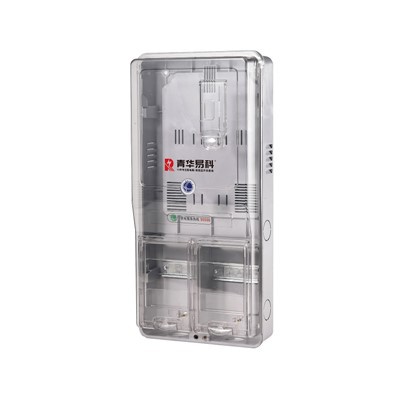
First, let’s start with the basics: both are austenitic stainless steels, which means their crystal structure doesn’t change when heated or cooled, making them ideal for repeated temperature swings—common, after all, in electrical rooms that heat up during operation and cool down overnight. Both also contain chromium, which is responsible for stainless steel’s signature corrosion resistance: when exposed to oxygen, chromium forms a thin, invisible oxide layer on the surface that seals the metal underneath from moisture and chemicals. That’s why stainless steel doesn’t rust like regular carbon steel, which is what makes it such a go-to for enclosures that hold sensitive wiring, circuit breakers, and control panels.
The first big difference, and the one that makes 316 worth every extra cent in certain jobs, is molybdenum. Here’s the key detail: 304 has no molybdenum, while 316 has roughly 2-3% of this element added to its alloy mix. Molybdenum is a game-changer when it comes to resisting specific corrosive environments, and that’s where most buyers trip up.
Let’s talk about common enclosure use cases to make this tangible. 304 stainless steel, also called 18/8 stainless (for its 18% chromium and 8% nickel content), is the workhorse of general-purpose electrical enclosures. It’s perfect for indoor applications: standard office electrical closets, commercial building utility rooms, retail store breaker panels. Indoors, you’re dealing with relatively mild exposure to cleaning chemicals, occasional humidity, and normal dust—all things 304 handles flawlessly. I’ve supplied thousands of 304 enclosures to small manufacturing plants for their main control rooms, and most of those are still looking good, no rust or pitting, after 15 years.
But the second you step outside or into a harsh environment, 304 starts to show its limits. That’s where 316 comes in, often labeled “marine grade” for good reason. Molybdenum supercharges the chromium oxide layer, making it resistant to two things that eat through 304 like acid: chloride ions and strong acids/bases. Chlorides are everywhere in places like coastal towns (from salt air and road salt in winter), industrial facilities (from brine used in food processing or chemical plants), and even areas with high humidity that picks up minerals from soil. Last year, a customer in Florida came to me with a dozen 304 enclosures he’d installed on a pier near Tampa—within 18 months, they had tiny pits all over their surfaces, and the rust had started seeping onto the wiring inside to the point he had to replace them. We swapped them for 316 enclosures, and he followed up six months later saying they looked brand new. That’s not a fluke; chloride ions break down the passive oxide layer in 304, but the molybdenum in 316 creates a new barrier that repels those ions.
Another common mix-up has to do with temperature resistance. Both grades perform well at moderate temperatures, but 316 holds up better at extreme heat or cold. Let’s say you’re installing an enclosure on a rooftop in Arizona, where summer temperatures regularly hit 110°F (43°C), or in a northern climate that dips below 0°F (-18°C) in winter. 304 can handle these extremes, but 316’s alloy structure is more stable under thermal stress, so it’s less likely to develop cracks or warping over time from repeated expansion and contraction. For enclosures that hold high-temperature equipment, like large transformers, this extra stability is a small difference that prevents big problems down the line.
Wait, but what about cost? That’s the big question for every buyer. 316 is typically 15-20% more expensive than 304, so it’s not a decision you want to overspend on unnecessarily. I always tell customers to ask two simple questions before choosing: Where will this enclosure be installed? And what kind of environment will it be in? If the answer is “indoor, dry, no harsh chemicals or salt,” 304 is more than enough—you won’t see any performance difference, and you’ll save money you can put toward other parts of your project. But if the answer is “outdoor near the ocean, industrial, uses cleaning solutions with high salt or acidity, or in an area that uses road salt in winter,” paying for 316 is a no-brainer. I can’t tell you how many times a customer has tried to save a few hundred dollars on 304 enclosures for a coastal job, only to call me a year later needing replacements. Those extra replacement costs add up way more than the initial difference in material price.
There are a few other subtle differences that matter for electrical enclosure function, too. 316 stainless steel has slightly higher tensile strength, meaning it can handle minor impacts better than 304. That’s useful for enclosures that are installed in areas where they might get bumped, like loading docks or construction sites, or in public spaces where vandals might target equipment. It’s also more resistant to staining from common industrial cleaners—things like bleach, ammonia, or citric acid-based cleaning products, which are often used in food processing plants, schools, and hospitals. A 304 enclosure might pick up a faint stain from these cleaners that doesn’t affect its performance, but it’ll look messy over time, while 316 stays clean and professional.
Now, let’s address a myth I hear all the time: that 316 is always “better” and worth the extra cost no matter what. That’s just not true. For example, if you’re installing an enclosure in a climate-controlled server room that’s kept at 72°F, with zero exposure to moisture or chemicals, 304 is perfectly fine. A few years back, I worked with a tech company that ordered 50 304 enclosures for their new data center, and they told me they saved over $2,000 by not opting for 316—and those enclosures will last decades without any issues. The mistake people make is applying the “marine grade” label to every job, which is overkill and wastes money.
Another common use case where people get confused is food and beverage processing. A lot of facilities in this industry have strict hygiene standards, and the cleaning chemicals they use are often high in acidity or chlorides. For food processing enclosures, 316 is the standard because it resists both corrosion and staining, which is critical for passing health inspections. 304 would work here too in some low-hygiene areas, but most plants specify 316 to avoid any risk of contamination from corroded metal.
Now, let’s talk about practical considerations as a supplier, because I know what buyers care about beyond just material specs. Both 304 and 316 stainless steel enclosures come in the same range of sizes, from small 4x4x4 inch enclosures for low-voltage wiring to large 48x48x24 inch enclosures for main electrical panels. They both work with all standard enclosure accessories—lockable latches, ventilation fans, cable glands, dust gaskets—so you don’t have to compromise on functionality because of the grade you choose.
I also want to mention fabrication, since that’s a part of the quality that affects how well the enclosure performs. Both grades weld and form easily, which is why we can make custom enclosures for specific project needs, like cutouts for custom cables or mounting holes. The only difference there is that 316 is slightly more sensitive to heat during welding, so we use specialized welding processes to avoid cracking, but that’s a small detail that our team handles without any extra hassle for the customer.
So, to wrap this up, the core difference between 304 and 316 stainless steel for electrical enclosures boils down to one core variable: your operating environment. 304 is the reliable, budget-friendly choice for mild, indoor, low-humidity applications where corrosion risk is minimal. 316 is the corrosion-resistant workhorse for harsh outdoor, coastal, industrial, or high-hygiene environments where exposure to chlorides, acids, or salt is a constant risk. The worst mistake you can make is guessing—spend 10 minutes walking through your installation site, jot down what you’ll be exposed to, and if you’re not sure, don’t hesitate to reach out to a supplier who knows their stuff (like us, for example) to help you pick the right grade for your project.
Whether you’re a general contractor installing enclosures for a new office building, a plant manager upgrading your factory’s control panels, or a homeowner wiring a detached garage, choosing the right stainless steel grade will save you time, money, and headaches down the line. We’ve supplied enclosures to every kind of project over the years, and we’ve had customers come back to us again and again because we help them avoid overspending or underbuying. If you’re working on a project and need help figuring out whether 304 or 316 is the right fit, don’t hesitate to connect with our team to discuss your needs. We’re here to make sure your electrical enclosures hold up, no matter what environment they’re in.
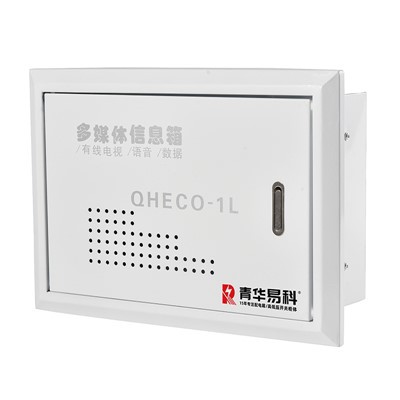
Multimedia Information Box References:
- ASM International. Stainless Steel Products and Applications. ASM Handbook, Volume 14: Forming and Forging, 2006.
- corrosionpedia. Molybdenum Effects on Stainless Steel Corrosion Resistance. NACE International, 2021.
- Stainless Steel Information Center. Austenitic Stainless Steels: 304 and 316. International Stainless Steel Forum, 2019.
- National Electrical Manufacturers Association (NEMA). Standards for Enclosure Protection Ratings, 2020.
Shandong Qinghua Yike Electric Co., Ltd.
As one of the most experienced stainless electrical enclosure manufacturers in China, we also support customized service. We warmly welcome you to buy durable stainless electrical enclosure for sale here from our factory. If you have any enquiry about cooperation, please feel free to email us.
Address: No. 378 Taozhuang Village, Zaoyuan Town, Lanshan District, Linyi City, Shandong Province
E-mail: admin@sd-qhyk.com
WebSite: https://www.qhecobox.com/
