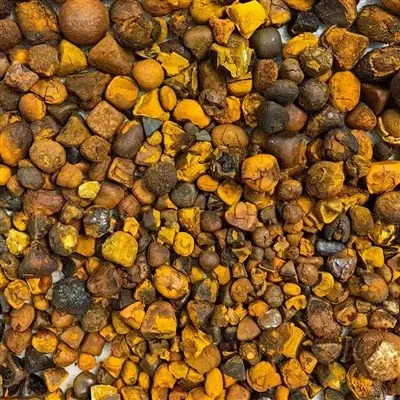
In recent years, In-Vitro Cultivated Calculus Bovis has emerged as a remarkable alternative to natural Calculus Bovis in the field of traditional Chinese medicine. As a supplier of In-Vitro Cultivated Calculus Bovis, I have witnessed firsthand its growing popularity and the increasing interest in its pharmacological effects. This blog post aims to delve into the scientific aspects of In-Vitro Cultivated Calculus Bovis and explore its potential benefits. In-Vitro Cultivated Calculus Bovis
1. Introduction to In-Vitro Cultivated Calculus Bovis
Natural Calculus Bovis, a precious traditional Chinese medicine, is derived from the gallstones of cattle. However, due to its limited resources and high cost, it is often in short supply. In-Vitro Cultivated Calculus Bovis was developed as a viable alternative. It is produced through advanced biotechnological methods, which mimic the natural formation process of Calculus Bovis in a laboratory setting. This approach ensures a stable supply of high – quality Calculus Bovis with consistent pharmacological properties.
2. Pharmacological Components of In-Vitro Cultivated Calculus Bovis
The pharmacological effects of In-Vitro Cultivated Calculus Bovis are primarily attributed to its rich composition. It contains various bioactive substances, including bile acids, such as cholic acid and deoxycholic acid, bilirubin, cholesterol, and amino acids.
- Bile Acids: Bile acids play a crucial role in the digestion and absorption of lipids. They can emulsify dietary fats, facilitating their breakdown by lipases. Moreover, bile acids have been shown to have anti – inflammatory and antibacterial properties. Cholic acid, for example, can modulate the immune response by regulating the production of cytokines, which are important signaling molecules involved in inflammation.
- Bilirubin: Bilirubin is a yellow pigment that has antioxidant properties. It can scavenge free radicals in the body, protecting cells from oxidative damage. Oxidative stress is implicated in many diseases, such as cardiovascular diseases, neurodegenerative diseases, and cancer. By reducing oxidative stress, bilirubin may contribute to the prevention and treatment of these diseases.
- Cholesterol: Although cholesterol is often associated with negative health effects, in In-Vitro Cultivated Calculus Bovis, it may have a role in stabilizing cell membranes. Cholesterol is an essential component of cell membranes, and it helps maintain the fluidity and integrity of the membrane structure.
- Amino Acids: Amino acids are the building blocks of proteins. They are involved in various physiological processes, including the synthesis of enzymes, hormones, and neurotransmitters. Some amino acids in In-Vitro Cultivated Calculus Bovis, such as glycine and taurine, have been reported to have neuroprotective and hepatoprotective effects.
3. Pharmacological Effects of In-Vitro Cultivated Calculus Bovis
3.1. Anti – inflammatory Effect
Inflammation is a natural response of the body to injury or infection. However, chronic inflammation can lead to various diseases. In-Vitro Cultivated Calculus Bovis has been shown to have potent anti – inflammatory effects. Studies have demonstrated that it can inhibit the production of pro – inflammatory cytokines, such as tumor necrosis factor – alpha (TNF – α), interleukin – 1 beta (IL – 1β), and interleukin – 6 (IL – 6). These cytokines are involved in the initiation and propagation of the inflammatory response. By suppressing their production, In-Vitro Cultivated Calculus Bovis can reduce inflammation and alleviate symptoms associated with inflammatory diseases, such as arthritis, gastritis, and hepatitis.
3.2. Antipyretic Effect
Fever is a common symptom of many infectious and non – infectious diseases. In-Vitro Cultivated Calculus Bovis has been used in traditional Chinese medicine for its antipyretic properties. It can act on the hypothalamus, the part of the brain that regulates body temperature, to reduce fever. The exact mechanism may involve the regulation of prostaglandin synthesis. Prostaglandins are lipid molecules that play a role in fever generation. In-Vitro Cultivated Calculus Bovis may inhibit the synthesis of prostaglandins, thereby lowering body temperature.
3.3. Antibacterial and Antiviral Effects
In-Vitro Cultivated Calculus Bovis has shown antibacterial and antiviral activities. Some of the bile acids in it have been reported to have direct antibacterial effects against a wide range of bacteria, including Staphylococcus aureus, Escherichia coli, and Pseudomonas aeruginosa. These bile acids can disrupt the bacterial cell membrane, leading to cell death. Additionally, In-Vitro Cultivated Calculus Bovis may enhance the immune system’s ability to fight against viral infections. It can stimulate the production of immune cells, such as lymphocytes and macrophages, which are important for the body’s defense against viruses.
3.4. CNS – related Effects
In traditional Chinese medicine, Calculus Bovis has been used to treat various neurological disorders. In-Vitro Cultivated Calculus Bovis has been shown to have sedative, anticonvulsant, and neuroprotective effects. It can reduce neuronal excitability and protect neurons from damage. The amino acids and other bioactive components in it may modulate neurotransmitter systems, such as the gamma – aminobutyric acid (GABA) system, which is involved in the regulation of anxiety, sleep, and seizure control.
3.5. Hepatoprotective Effect
The liver is an important organ for detoxification and metabolism. In-Vitro Cultivated Calculus Bovis may have hepatoprotective effects. It can protect liver cells from damage caused by toxins, such as alcohol and drugs. The antioxidant and anti – inflammatory properties of In-Vitro Cultivated Calculus Bovis may contribute to its hepatoprotective action. It can reduce oxidative stress and inflammation in the liver, thereby preventing liver fibrosis and cirrhosis.
4. Applications in Traditional Chinese Medicine and Modern Medicine
In traditional Chinese medicine, In-Vitro Cultivated Calculus Bovis is used in a variety of formulas. It is often combined with other herbs to treat conditions such as febrile convulsions, epilepsy, liver diseases, and inflammation. In modern medicine, it is also being explored for its potential applications in drug development. The unique pharmacological properties of In-Vitro Cultivated Calculus Bovis make it a promising candidate for the treatment of various diseases, including neurodegenerative diseases, infectious diseases, and inflammatory disorders.
5. Quality and Safety of In-Vitro Cultivated Calculus Bovis
As a supplier, I understand the importance of quality and safety. Our In-Vitro Cultivated Calculus Bovis is produced under strict quality control standards. We ensure that it meets the relevant pharmacological and chemical specifications. The production process is carefully monitored to avoid contamination and to guarantee the purity and potency of the product. Moreover, extensive pre – clinical and clinical studies have demonstrated the safety of In-Vitro Cultivated Calculus Bovis, with few reported side effects when used as directed.
6. Conclusion and Call to Action

In conclusion, In-Vitro Cultivated Calculus Bovis is a valuable alternative to natural Calculus Bovis with diverse pharmacological effects. Its anti – inflammatory, antipyretic, antibacterial, antiviral, CNS – related, and hepatoprotective properties make it a promising candidate for the treatment of various diseases. Whether you are a traditional Chinese medicine practitioner, a modern pharmaceutical company, or someone interested in natural health products, our In-Vitro Cultivated Calculus Bovis may meet your needs.
Selling Your Natural Ox Gallstones If you are interested in purchasing In-Vitro Cultivated Calculus Bovis for your research, production, or other purposes, please do not hesitate to contact us for further discussions. We are committed to providing high – quality products and excellent customer service.
References
- Hu, X., & Li, Y. (2018). Recent advances in the study of artificial Calculus Bovis. Journal of Traditional Chinese Medicine, 38(3), 393 – 398.
- Zhang, Y., & Wang, L. (2019). Pharmacological effects and clinical applications of Calculus Bovis. Chinese Journal of Integrated Traditional and Western Medicine, 39(2), 244 – 248.
- Wang, X., & Liu, Z. (2020). Research progress on the active components and pharmacological effects of Calculus Bovis. Chinese Journal of Pharmacy, 55(10), 753 – 758.
HK Dingshengda International Trading Limited
We’re well-known as one of the leading in-vitro cultivated calculus bovis manufacturers and suppliers in China. With abundant experience, we warmly welcome you to wholesale high quality in-vitro cultivated calculus bovis for sale here from our factory. For price consultation, contact us.
Address: FLAT 1512.15/F,LUCKY CENTRENO.165-171 WAN CHAI ROAD、WANCHAI HONG KONG
E-mail: Loganlyu2023@163.com
WebSite: https://www.cows-gallstones.com/
