Hey there! I’m a supplier of solid rivets. You know, solid rivets are super handy little things. They’re used in all sorts of industries, from aerospace and automotive to construction and manufacturing. But one big headache for everyone using solid rivets is corrosion. It can weaken the rivets, cause structural problems, and even lead to safety issues. So, today I wanna share some tips on how to prevent corrosion of solid rivets. Solid Rivet

Understanding Corrosion
First off, let’s talk about what corrosion is. Corrosion is basically a chemical reaction between the metal in the rivets and its environment. There are different types of corrosion, like rusting (when iron or steel rivets react with oxygen and water) and galvanic corrosion (which happens when two different metals are in contact in the presence of an electrolyte, like water).
Rusting is probably the most common type of corrosion for iron and steel rivets. You’ve seen it on old fences or bikes – that reddish – brown flaky stuff. Galvanic corrosion, on the other hand, can be a bit tricky. For example, if you use a steel rivet to join an aluminum part, and there’s moisture around, the aluminum might start to corrode faster because of the difference in electrical potential between the two metals.
Choosing the Right Material
One of the easiest ways to prevent corrosion is to choose the right material for your solid rivets in the first place. Stainless steel is a great option. It contains chromium, which forms a thin, protective oxide layer on the surface of the rivet. This layer acts as a barrier, preventing oxygen and water from reaching the metal underneath. So, even if the rivet is exposed to moisture, it’s less likely to rust.
Aluminum rivets are also a popular choice. Aluminum naturally forms a protective oxide layer when it’s exposed to air. This layer is very thin but quite effective at preventing further corrosion. And aluminum is lightweight, which is a plus in industries where weight matters, like aerospace.
Titanium is another high – end option. It’s extremely corrosion – resistant, even in harsh environments like saltwater. But it’s also more expensive than stainless steel or aluminum, so it’s usually used in applications where cost is less of a concern and high performance is required.
Surface Treatments
If you already have solid rivets made of a material that’s prone to corrosion, surface treatments can be a lifesaver.
One common surface treatment is galvanizing. This involves coating the rivets with a layer of zinc. Zinc is more reactive than iron or steel, so when it’s exposed to the environment, it corrodes first, protecting the underlying metal. Galvanized rivets are widely used in outdoor applications, like in construction and bridge building.
Painting is another simple yet effective way to protect solid rivets. A good quality paint can act as a physical barrier between the metal and the environment. For example, marine – grade paints are designed to resist saltwater and harsh weather conditions, so they’re great for rivets used in boats or other coastal structures.
Anodizing is a process commonly used for aluminum rivets. It thickens the natural oxide layer on the aluminum surface, making it more durable and corrosion – resistant. Anodized aluminum rivets come in different colors, which can also be a plus for aesthetic reasons in some applications.
Proper Installation
Believe it or not, proper installation of solid rivets can also play a role in preventing corrosion. When you’re installing rivets, make sure they’re clean and dry. Any dirt, grease, or moisture on the rivet or the joining surfaces can promote corrosion.
Use the right tools for installation. If you force a rivet into place or don’t install it correctly, it can cause damage to the surface of the rivet. This damage can break the protective layer (if there is one) and expose the metal to the environment, increasing the risk of corrosion.
Also, make sure there’s a good fit between the rivet and the hole. A loose fit can allow moisture to seep in, while a too – tight fit can cause stress on the rivet, making it more susceptible to corrosion.
Maintenance and Inspections
Regular maintenance and inspections are crucial to catch and prevent corrosion early. Inspect your rivets periodically for any signs of corrosion, like discoloration, pitting, or flaking. If you notice any issues, take action immediately.
In some cases, you might be able to clean the rivets to remove any corrosion products. For example, you can use a mild acidic solution to clean rust off steel rivets, but be careful not to damage the metal. If the corrosion is severe, you might need to replace the rivets.
Keep the area around the rivets clean and dry. Remove any debris or standing water that could contribute to corrosion. If the rivets are in a wet or humid environment, you might want to consider using a dehumidifier or improving ventilation to reduce moisture levels.
Conclusion
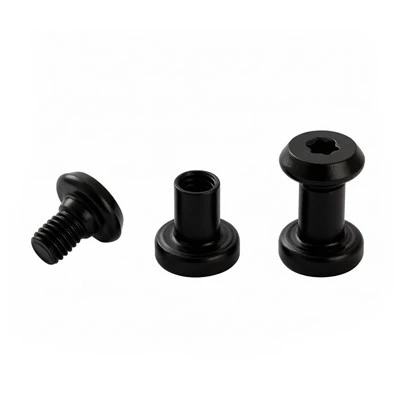
So, there you have it – a bunch of ways to prevent corrosion of solid rivets. Choosing the right material, applying surface treatments, proper installation, and regular maintenance are all key steps in keeping your rivets in good shape.
Hollow Rivets As a solid rivet supplier, I’ve seen firsthand the problems that corrosion can cause. That’s why I’m always happy to help my customers choose the right rivets and provide advice on how to prevent corrosion. If you’re in the market for solid rivets or have any questions about corrosion prevention, don’t hesitate to reach out. Let’s work together to make sure your projects are free from corrosion – related headaches.
References
- "Metals Handbook: Properties and Selection: Nonferrous Alloys and Pure Metals", ASM International
- "Corrosion Basics", National Association of Corrosion Engineers (NACE)
- "Handbook of Corrosion Engineering", McGraw – Hill Professional
Wenzhou Liao Fasteners Co., Ltd.
As one of the most professional solid rivet manufacturers and suppliers in China, we also support customized service. Welcome to wholesale high quality solid rivet in stock here from our factory. If you have any enquiry about cooperation, please feel free to email us.
Address: No.93 Liaodong Road, Liao Subdistrict, Ouhai District, Wenzhou City, Zhejiang Province, China
E-mail: zhengyue1687@163.com
WebSite: https://www.liaomet.com/
