Hey there, folks! I’m a supplier of Chemical Woven Bags, and today I wanna talk about a question I get asked a lot: What is the coefficient of friction of chemical woven bags? Chemical Woven Bags
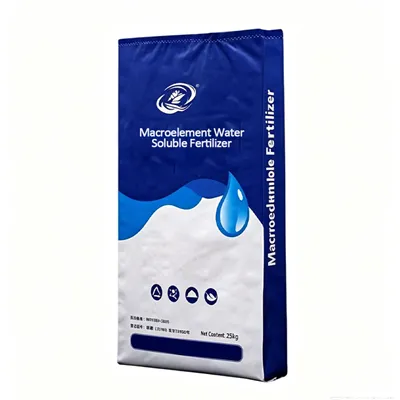
You might be thinking, "What the heck is the coefficient of friction?" Well, it’s basically a measure of how much two surfaces resist sliding against each other. You know when you try to push a heavy box across the floor? If the floor is really slippery, the box will slide easily, and that means there’s a low coefficient of friction. But if the floor is rough, it’ll be harder to push the box, and that’s because there’s a high coefficient of friction.
So, why does the coefficient of friction matter for chemical woven bags? Well, it can have a big impact on how these bags perform in different situations. For example, if you’re stacking a bunch of chemical woven bags on a pallet, the coefficient of friction between the bags and the pallet will determine how stable the stack is. If the coefficient of friction is too low, the bags might slide off the pallet, which could lead to some serious problems, like spills or damage to the products inside the bags.
On the other hand, if you’re using conveyor belts to move the chemical woven bags around a warehouse or a factory, the coefficient of friction between the bags and the conveyor belt is important too. If the coefficient of friction is too high, the bags might get stuck on the conveyor belt, which could slow down production. But if the coefficient of friction is too low, the bags might not move along the conveyor belt properly, which could also cause problems.
Now, let’s get into the nitty – gritty of what affects the coefficient of friction of chemical woven bags. There are a few factors at play here.
First off, the material of the woven bag itself matters a lot. Chemical woven bags are usually made from polypropylene, which is a type of plastic. The surface texture of the polypropylene can vary depending on how it’s manufactured. If the surface of the bag is smooth, it’ll generally have a lower coefficient of friction. But if the surface has some roughness or texture, it’ll increase the coefficient of friction. For instance, some of our chemical woven bags have a slightly matte finish, and these tend to have a better grip on surfaces compared to those with a super shiny, smooth finish.
The condition of the surface in contact with the bag is also crucial. If the surface is wet or oily, the coefficient of friction will be much lower. That’s because the liquid creates a lubricating layer between the two surfaces, making it easier for them to slide. Let’s say you’re storing chemical woven bags in a warehouse where there’s a bit of water on the floor. The bags will be more likely to slip around compared to when the floor is dry.
Another factor is the pressure between the bag and the surface. When you increase the pressure, the coefficient of friction usually goes up. So, if you stack a lot of chemical woven bags on top of each other, the bottom bags will have a higher coefficient of friction with the surface they’re resting on because of the extra weight pressing them down.
Okay, so how do we measure the coefficient of friction of chemical woven bags? Well, one common method is to use a friction tester. This device basically has a flat surface where you place the chemical woven bag. Then, you attach a weighted sled to the bag and gradually increase the force until the sled starts to move. The ratio of the force required to start the motion (the static friction force) to the weight of the sled gives you the coefficient of static friction. And once the sled is moving, you can measure the ratio of the force needed to keep it moving (the kinetic friction force) to the weight of the sled, which gives you the coefficient of kinetic friction.
As a supplier of chemical woven bags, we pay a lot of attention to the coefficient of friction. We want to make sure that our bags are safe and easy to use in different environments. That’s why we conduct regular tests on our products. We test different batches of bags to make sure that the coefficient of friction is consistent. And we also work with our customers to understand their specific needs. For example, if a customer is using our bags in a high – humidity environment, we might recommend a bag with a higher coefficient of friction to prevent slipping.
We’ve also been doing some research and development to improve the coefficient of friction of our chemical woven bags. We’ve been looking into different additives and surface treatments that can increase the grip of the bags without sacrificing other important properties, like strength and durability. For instance, we’re experimenting with adding a special type of polymer to the polypropylene during the manufacturing process. This polymer can create a micro – rough surface on the bag, which increases the coefficient of friction.
So, if you’re in the market for chemical woven bags, the coefficient of friction is definitely something you should consider. It can make a big difference in how well your bags work in your specific application. And that’s where we come in. We’re not just another supplier. We’re here to help you find the right chemical woven bags for your needs.
We have a wide range of chemical woven bags, each with different properties, including different coefficients of friction. Whether you need bags for stacking on pallets, moving on conveyor belts, or storing in a particular environment, we can offer you the right solution. Our team of experts is always ready to answer your questions and provide advice on which type of bag is best for you.
If you’re interested in learning more about our chemical woven bags, or if you want to discuss your specific requirements in terms of the coefficient of friction or any other aspect, don’t hesitate to reach out. We’re happy to have a chat and see how we can work together to meet your needs. Let’s have a conversation and find the best chemical woven bags for your business!
Chemical Packaging Bags References
- "Friction and Wear of Polymers" by B. Bhushan
- "Plastics Materials" by J. A. Brydson
- Industry standards and guidelines on chemical woven bag performance
Liaoning Xunlian Packaging Products Co., Ltd.
Liaoning Xunlian Packaging Products Co., Ltd. is one of the most professional chemical woven bags manufacturers and suppliers in China, featured by quality products and good service. Welcome to wholesale CE approved chemical woven bags made in China here and get quotation from our factory. Customized orders are welcome.
Address: Chaoyang Industrial Park, Kangping, Shenyang, Liaoning, China.
E-mail: info@xunlianpack.com
WebSite: https://www.xunlianpack.com/
