In the current tech – savvy era, virtual machines (VMs) have taken center stage as a practical solution for a wide range of applications, from software development and testing to system administration and data isolation. As a supplier of Mini ITX motherboards, one of the most common questions I receive is: "Can a Mini ITX motherboard run a virtual machine?" This question arises quite sensibly, given the compact form – factor of Mini ITX motherboards, which often makes people skeptical about their ability to handle virtualization tasks. In this blog post, I will delve into the details of this topic, providing comprehensive insights and analysis. Mini ITX Motherboard
The Basics of Virtual Machines and Mini ITX Motherboards
Let’s first understand what virtual machines and Mini ITX motherboards are. A virtual machine is a virtual environment that functions as a separate computer system within your physical computer. It allows you to run multiple operating systems simultaneously on a single machine. This can be extremely beneficial for developers who want to test their software on different operating systems or for businesses looking to consolidate their hardware resources.
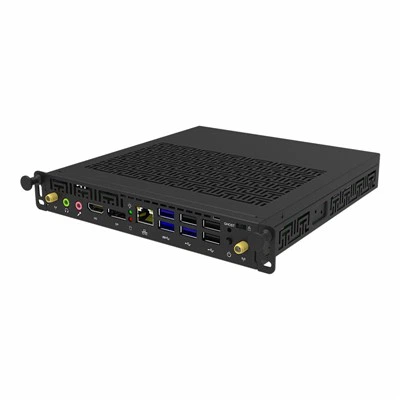
On the other hand, Mini ITX motherboards are a type of motherboard with a very small form – factor. They measure only 170mm x 170mm, making them ideal for small form – factor PCs (SFF PCs) and compact builds. Despite their small size, Mini ITX motherboards are designed to offer a good balance between performance and functionality, catering to a variety of users, from home users to enthusiasts.
Hardware Requirements for Running Virtual Machines
Before we can determine if a Mini ITX motherboard can run a virtual machine, we need to understand the hardware requirements for virtualization.
Processor
The central processing unit (CPU) is one of the most critical components for running virtual machines. It should support virtualization technology, such as Intel VT – x or AMD – V. These technologies allow the CPU to create and manage virtual machines more efficiently by providing hardware – level support for virtualization. Most modern CPUs, including those that are compatible with Mini ITX motherboards, come with virtualization support.
For example, Intel’s Core i3, i5, and i7 series, as well as AMD’s Ryzen processors, all offer virtualization features. However, it’s important to note that the number of cores and the clock speed of the CPU also play a crucial role. More cores allow the CPU to handle multiple tasks simultaneously, which is essential when running multiple virtual machines. A higher clock speed ensures that each virtual machine can perform tasks quickly.
Memory
Random – access memory (RAM) is another vital component. Virtual machines require a significant amount of RAM to run smoothly. The exact amount of RAM needed depends on the operating system and applications you plan to run within the virtual machine. For a basic Windows virtual machine, at least 2GB of RAM is recommended, but for more resource – intensive tasks, such as running a server – based virtual machine, 4GB or more might be necessary.
When considering a Mini ITX motherboard for virtual machine use, make sure it has sufficient RAM slots and can support an adequate amount of memory. Most Mini ITX motherboards come with 2 RAM slots and can support up to 32GB or even 64GB of RAM, which is usually enough for running one or a few virtual machines.
Storage
Storage is also a key factor. A virtual machine’s disk image needs to be stored on the physical hard drive or solid – state drive (SSD) of the host system. The storage device’s speed is crucial, as it affects how quickly the virtual machine can boot up and access data. SSDs are generally preferred over traditional hard disk drives (HDDs) because they offer much faster read and write speeds.
Mini ITX motherboards usually support both HDDs and SSDs. Many come with SATA interfaces for connecting storage devices, and some even offer M.2 slots for high – speed NVMe SSDs, which can significantly improve the performance of virtual machines.
Can Mini ITX Motherboards Meet the Requirements?
The answer is a resounding yes. Mini ITX motherboards, when paired with the right components, can easily meet the hardware requirements for running virtual machines.
Processor Compatibility: As mentioned earlier, many modern CPUs support virtualization technology, and Mini ITX motherboards are designed to accommodate these CPUs. Whether you are using an Intel or AMD processor, chances are there is a Mini ITX motherboard that can support it. For instance, if you choose an Intel Core i5 processor with virtualization support, you can find a suitable Mini ITX motherboard with an LGA 1200 socket.
Memory Expansion: With 2 RAM slots on most Mini ITX motherboards, users can install a reasonable amount of memory. For home users who plan to run a single virtual machine for testing or personal use, 8GB to 16GB of RAM may be sufficient. Enthusiasts or small – business owners running multiple virtual machines can opt for motherboards that support up to 64GB of RAM.
Storage Options: The availability of SATA and M.2 interfaces on Mini ITX motherboards ensures that users have a wide range of storage choices. Installing an NVMe SSD via an M.2 slot can offer extremely fast storage performance, which is ideal for running virtual machines.
Advantages of Using Mini ITX Motherboards for Virtual Machines
Beyond meeting the basic requirements, there are several advantages to using Mini ITX motherboards for virtual machine setups.
Space – Saving: The small form – factor of Mini ITX motherboards makes them perfect for environments where space is limited. You can build a compact PC that can still run virtual machines without taking up much desk space. This is particularly beneficial for small offices or home labs.
Energy – Efficient: Mini ITX systems generally consume less power compared to their larger counterparts. This not only helps in reducing electricity bills but also contributes to a more environmentally friendly setup. When running virtual machines, the lower power consumption means that the overall cost of operation is lower.
Portability: If you need to move your virtual machine setup from one place to another, a compact PC built with a Mini ITX motherboard is much easier to transport than a full – size desktop. This is useful for testers or developers who need to demonstrate their work on different locations.
Caveats and Considerations
While Mini ITX motherboards can run virtual machines, there are a few caveats and considerations.
Limited Expansion: Due to their small size, Mini ITX motherboards usually have fewer expansion slots compared to larger form – factor motherboards. This means that if you plan to add multiple network cards, graphics cards, or other expansion cards for your virtual machine setup, you may face some limitations.
Thermal Management: Cooling can be a challenge in a Mini ITX system, especially when running resource – intensive virtual machines. The compact case design may not allow for large – size cooling solutions, which could lead to overheating if not properly managed. However, with the right choice of components and good case airflow design, this problem can be mitigated.
Conclusion
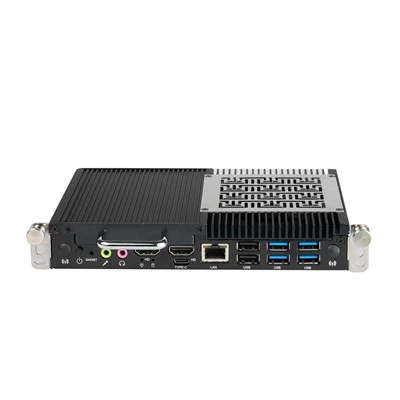
In conclusion, Mini ITX motherboards can indeed run virtual machines. They can meet the hardware requirements for virtualization, and they offer several advantages such as space – saving, energy – efficiency, and portability. As a Mini ITX motherboard supplier, I have seen firsthand how these motherboards have been successfully used in various virtual machine setups, from home testing environments to small – business servers.
HJS OPS If you are considering building a virtual machine setup with a Mini ITX motherboard, I encourage you to reach out for a detailed discussion. We can help you choose the right motherboard based on your specific requirements, whether it’s for personal use, software development, or business operations. Contact us to start the procurement process and explore the possibilities of using Mini ITX motherboards for your virtual machine needs.
References
- Tanenbaum, A. S., & Bos, H. (2014). Modern Operating Systems. Pearson.
- Intel Corporation. (2023). Intel Virtualization Technology (VT – x) Documentation.
- AMD. (2023). AMD – V Virtualization Technology.
Shenzhen HJS Technology Group
Shenzhen HJS Technology Group is one of the most experienced mini ITX motherboard manufacturers and suppliers in China, featured by quality products and good service. Please rest assured to buy CE approved mini ITX motherboard made in China here from our factory. For price consultation, contact us.
Address: F10, Wanhe Technology Building C, No. 7 HuiTong Road, Fenghuang Street, Guangming New District, Shenzhen. China.
E-mail: info@hjs-pc.com
WebSite: https://www.hjs-pc.com/
